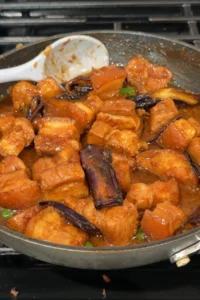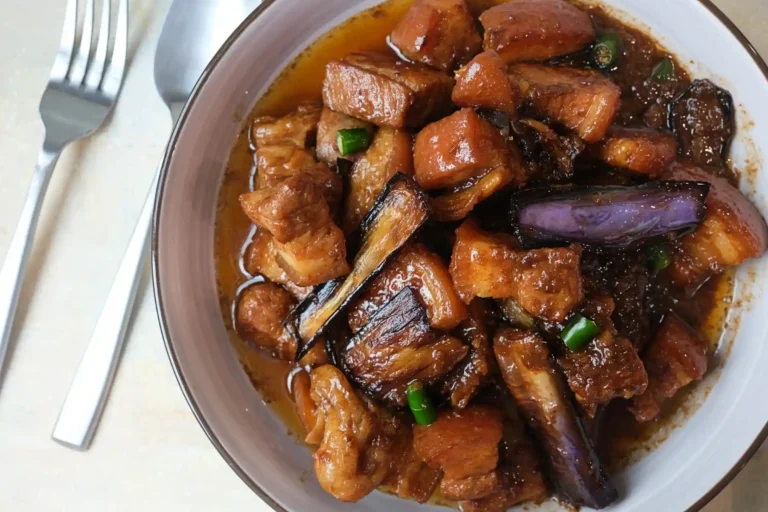
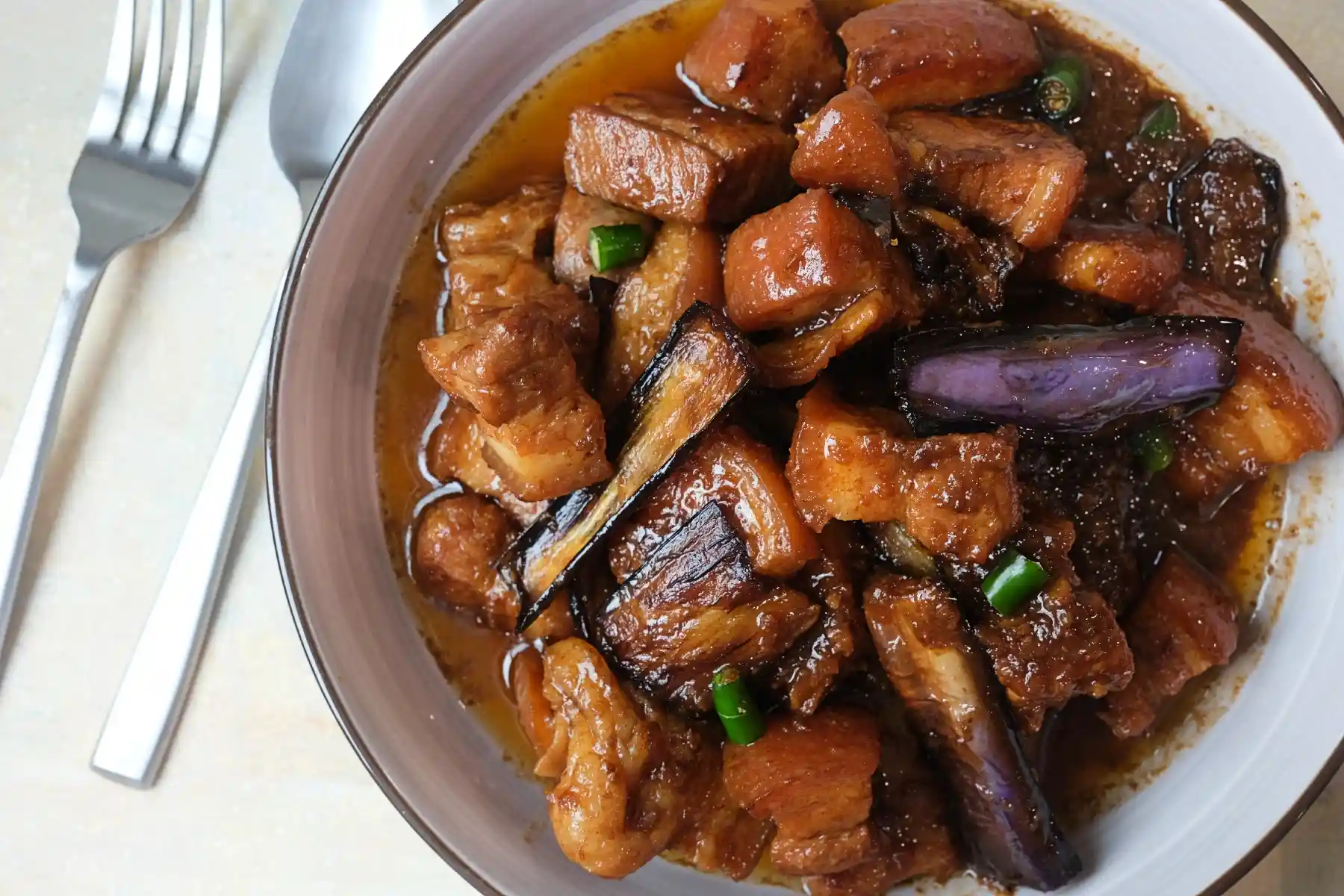
This binagoongan recipe is packed with tender pork, rich shrimp paste flavor, and a sauce that’s bold, savory, and made for a big scoop of rice. If you love bold savory flavors, this dish needs a spot on your table.
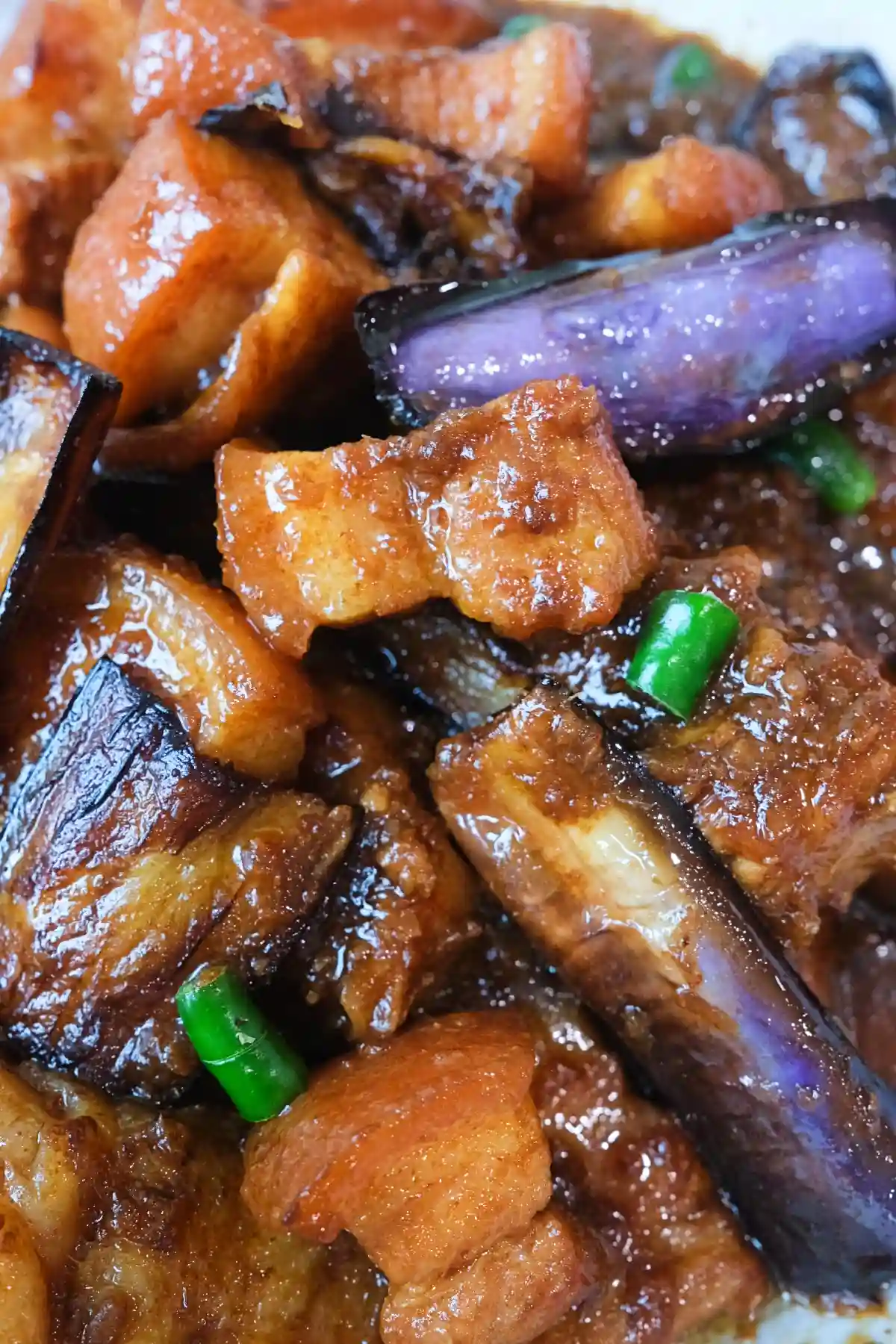
Warning, this dish is dangerously addictive.
This is hands down one of my favorite Filipino dishes of all time. It may not be as famous as adobo, spaghetti, or lumpia, but I’m telling you, binagoongan is one of the best.
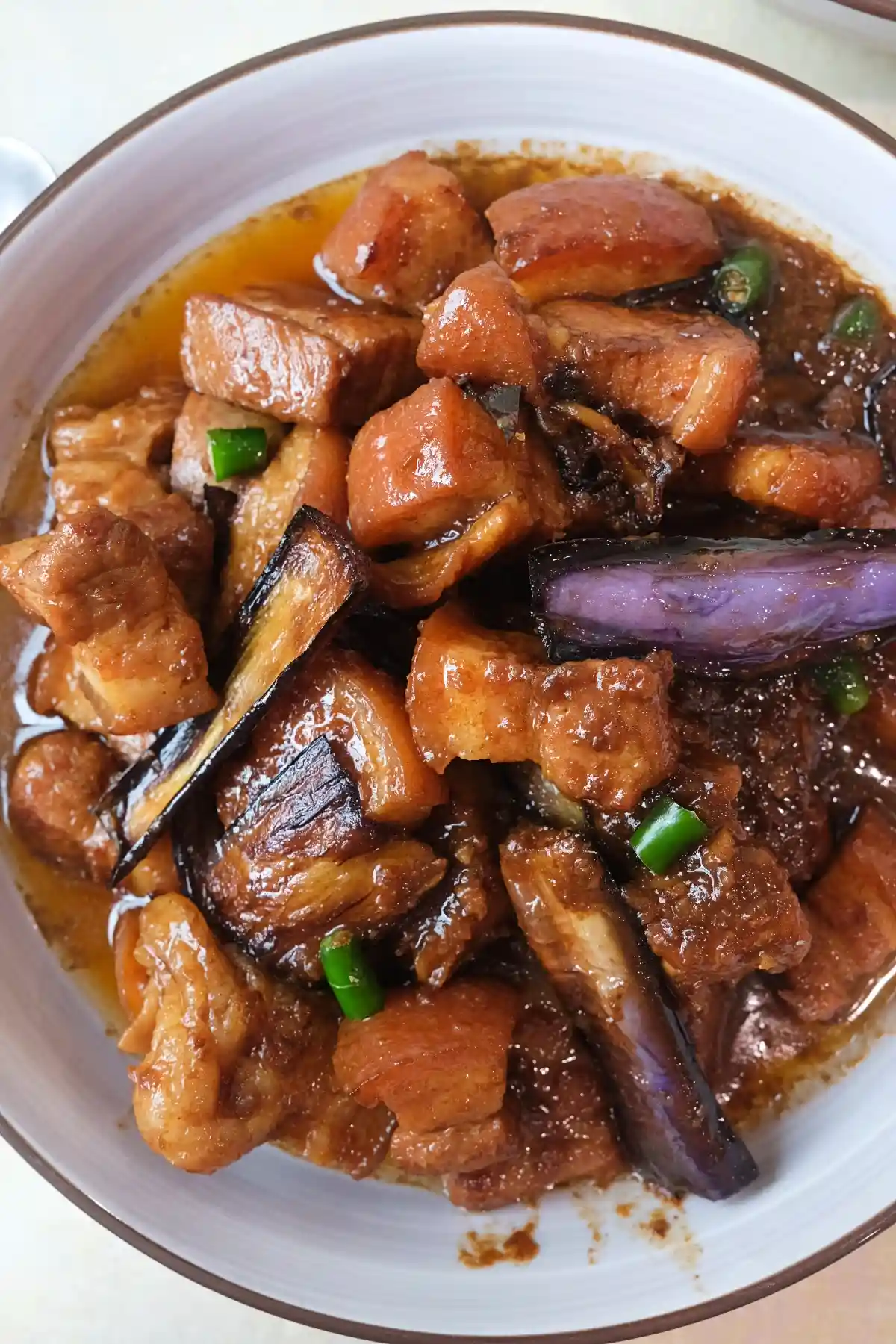
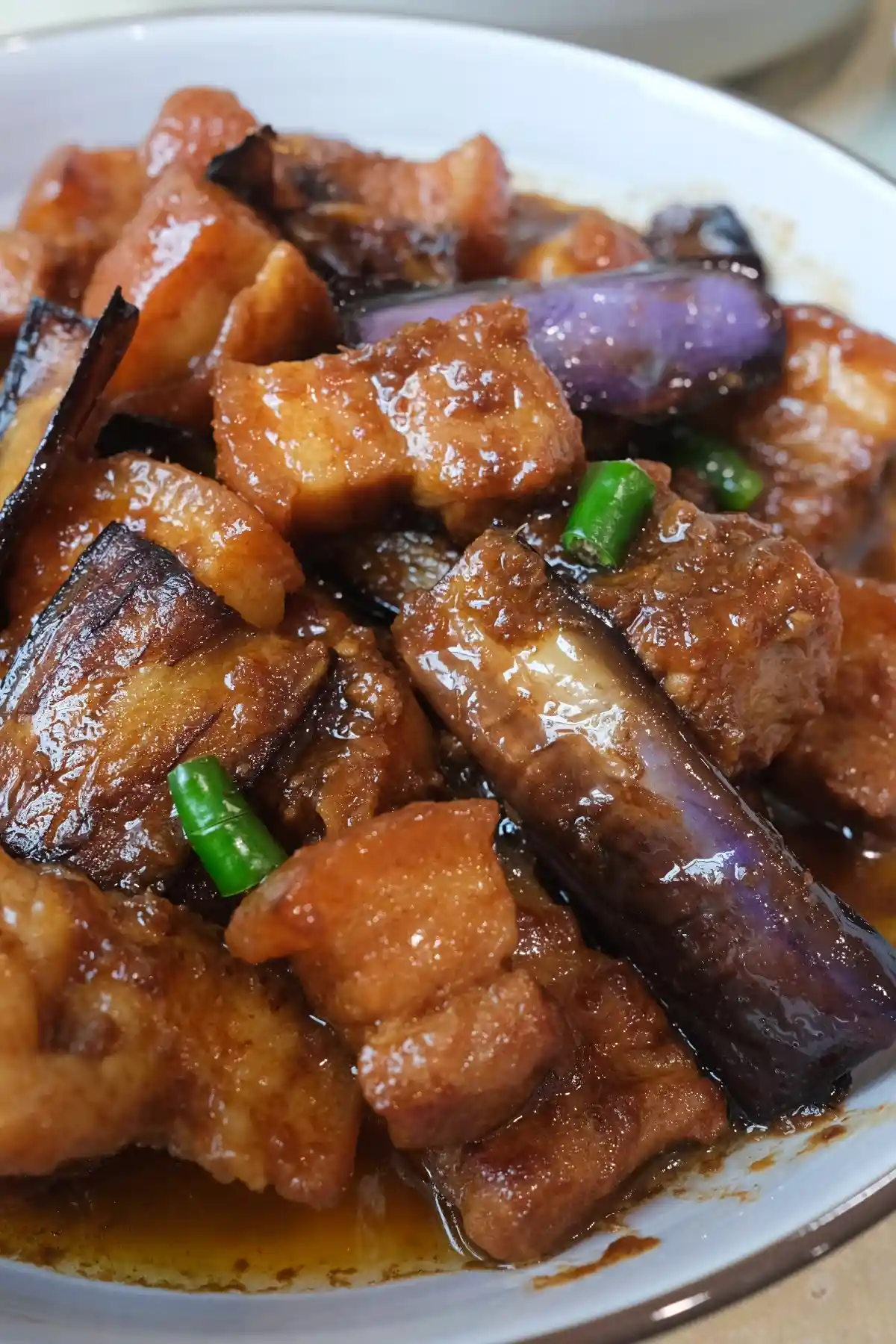
The pork is tender and fatty, and every piece gets coated in a savory, slightly sweet, deeply umami sauce made with shrimp paste. Serve it with rice and it’s game over.
What Is Binagoongan?
Binagoongan is a Filipino dish made by cooking meat or vegetables with bagoong alamang, a fermented shrimp paste. Pork is the most common version, which is rich, savory, salty, and especially good with rice.
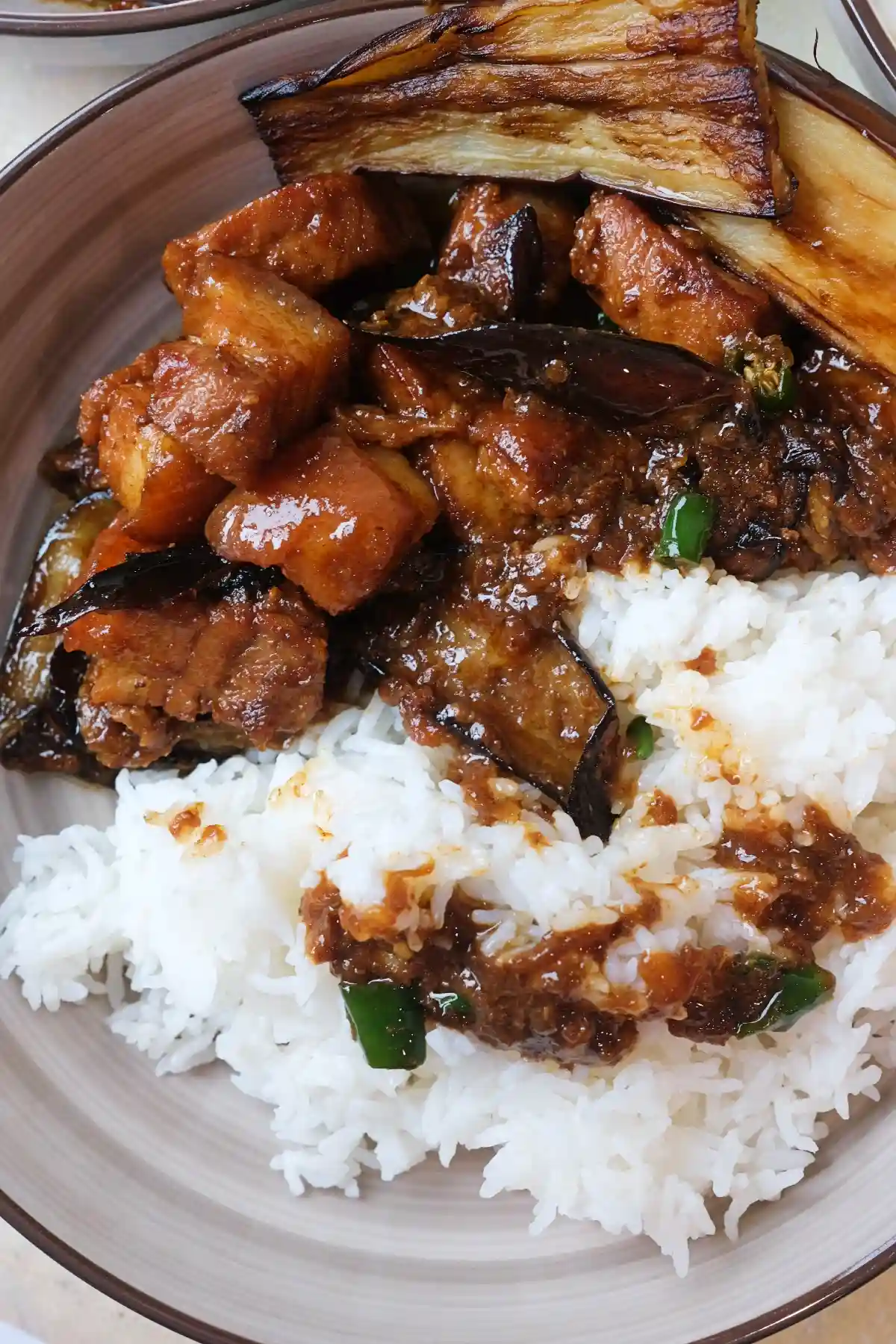
Ingredients You Need
- Pork. The main protein. Use either pork belly or shoulder. Cut it into even pieces so it cooks at the same rate.
- Eggplant. Fried eggplant adds a soft, silky texture that pairs really well with the salty sauce.
- Onion and Garlic: Aromatics.
- Fish sauce. Fish sauce seasons the pork and adds another layer of salty umami flavor.
- Bagoong/Shrimp Paste: This is what gives binagoongan its bold, signature flavor. It’s a Filipino fermented condiment made with small shrimp and salt.
- Vinegar. Vinegar adds tang and helps balance the richness of the pork and shrimp paste.
- Green chilies. These add mild heat and a little freshness to the dish.
- Sugar. A little sugar helps balance the salty and tangy flavors.
Where to Get Bagoong (Shrimp Paste)
You can usually find shrimp paste, or bagoong alamang, at Filipino grocery stores and Asian supermarkets. It’s often sold in jars near the sauces, condiments, or canned goods aisle. You can also order it online.
How To Make Binagoongan
Follow these steps to make pork binagoongan with tender pork and a rich, savory sauce.
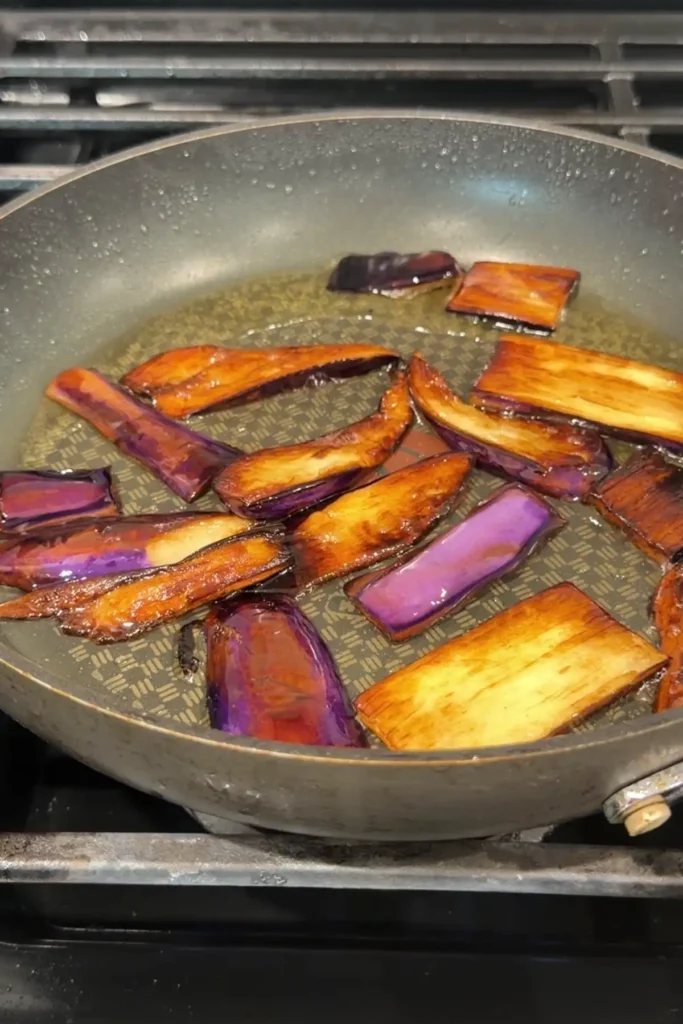
1. Fry The Eggplant.
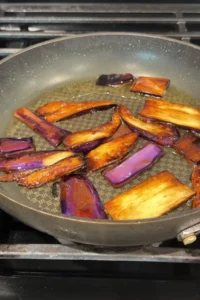
Heat oil in a pan. Fry the sliced eggplant until tender and browned, about 2 minutes per side. Transfer to a paper towel-lined plate and set aside.
2. Sauté The Aromatics.
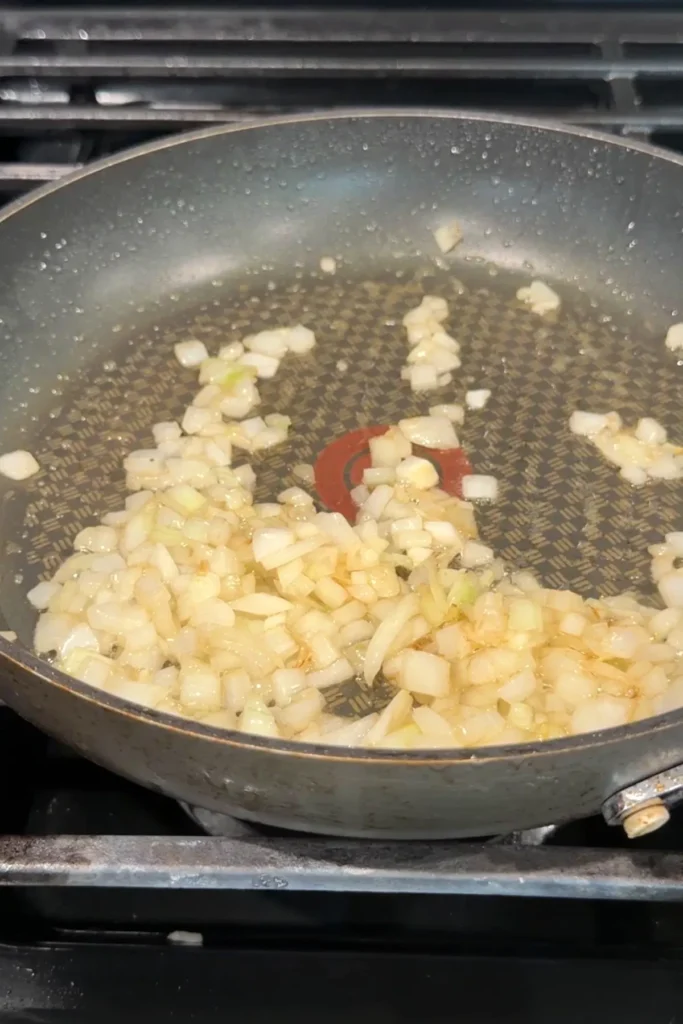
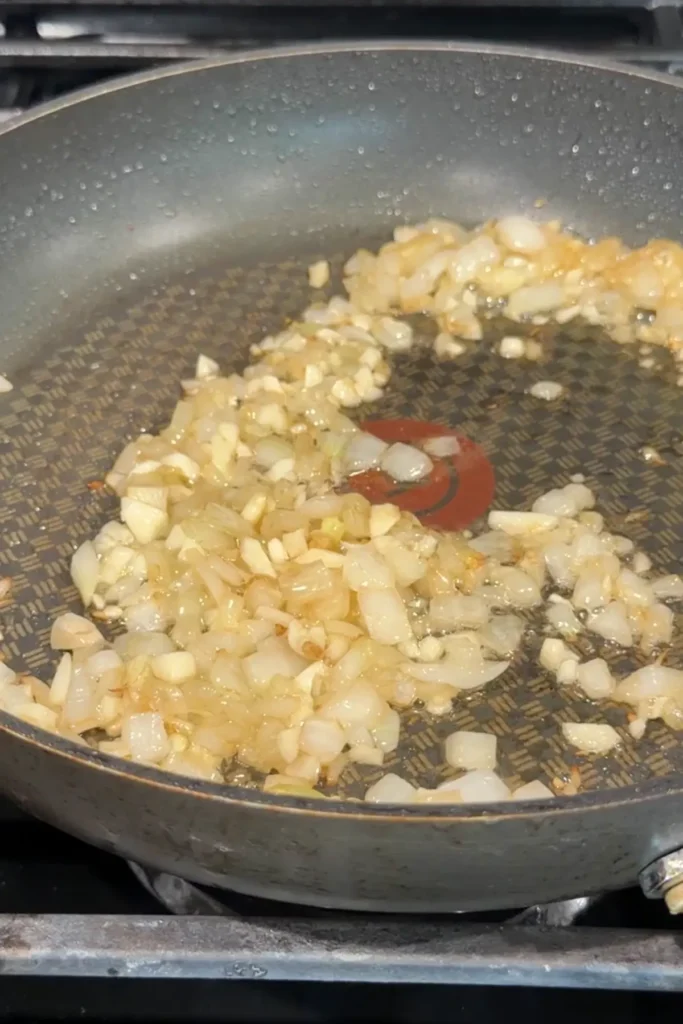
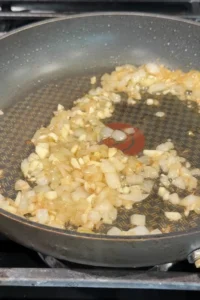
Sauté the onion until translucent, about 2 to 3 minutes. Add the garlic and sauté for 1 minute, until fragrant.
3. Brown The Pork.
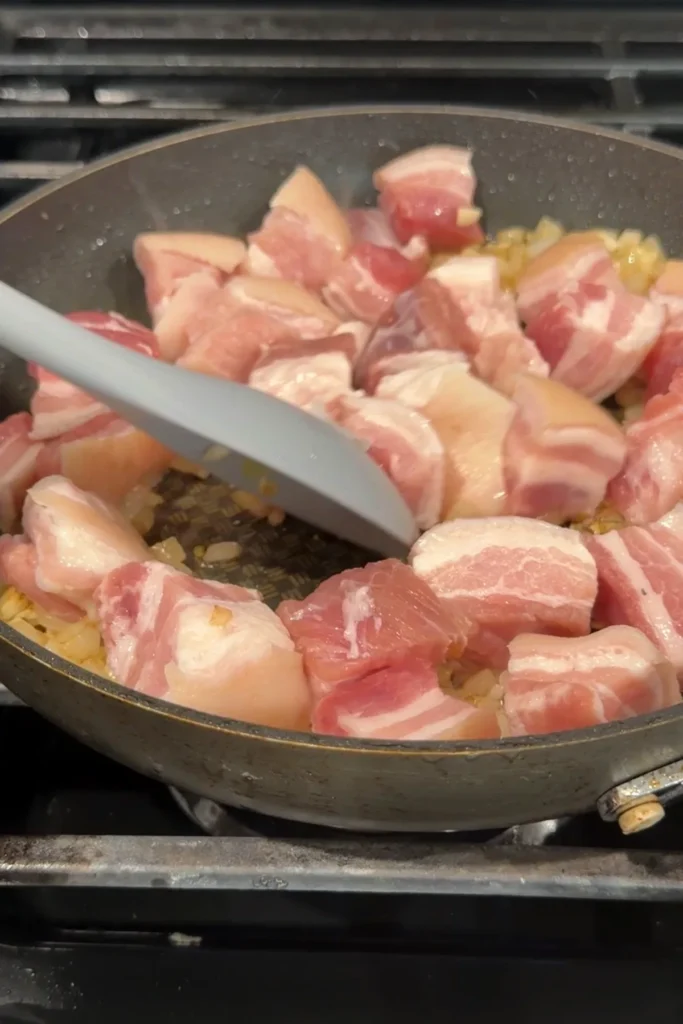
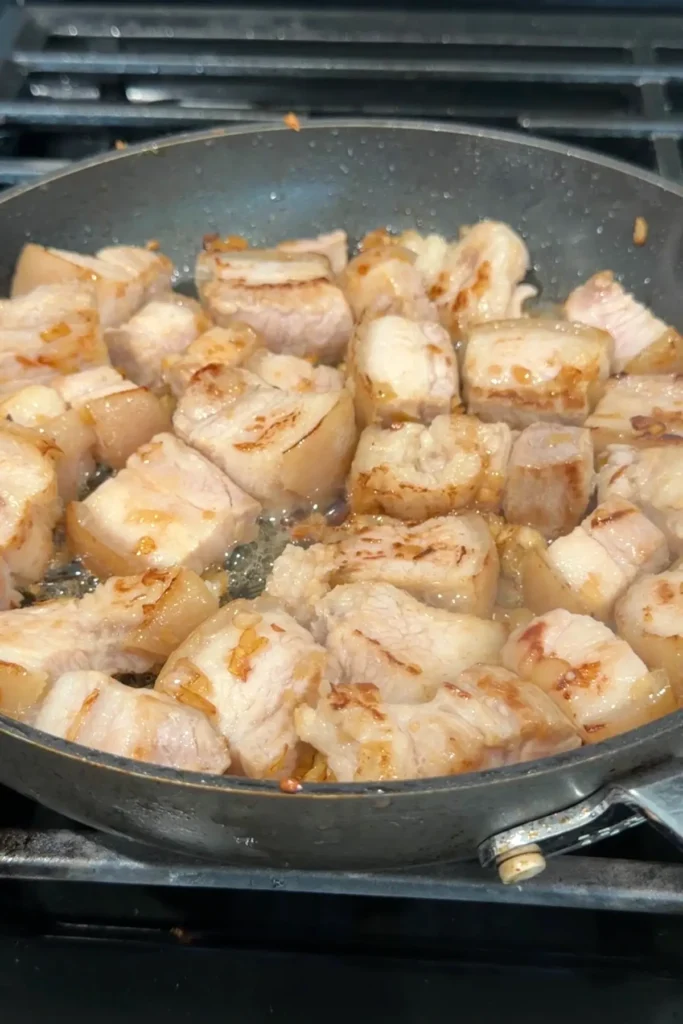
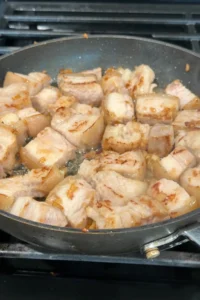
Add the cubed pork and cook until lightly browned.
4. Season The Pork.
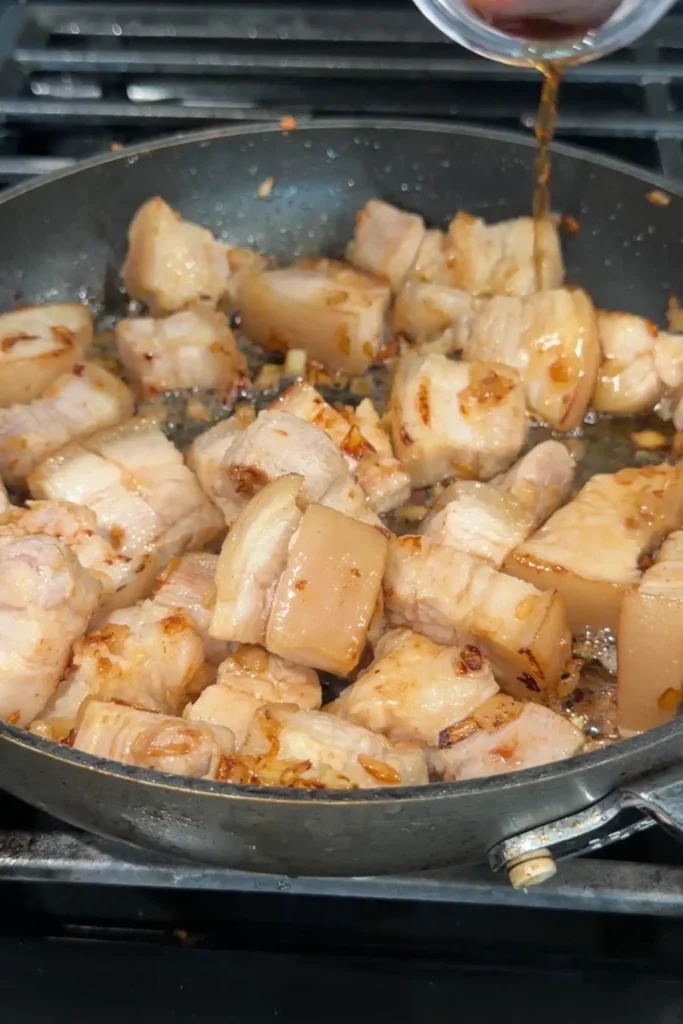
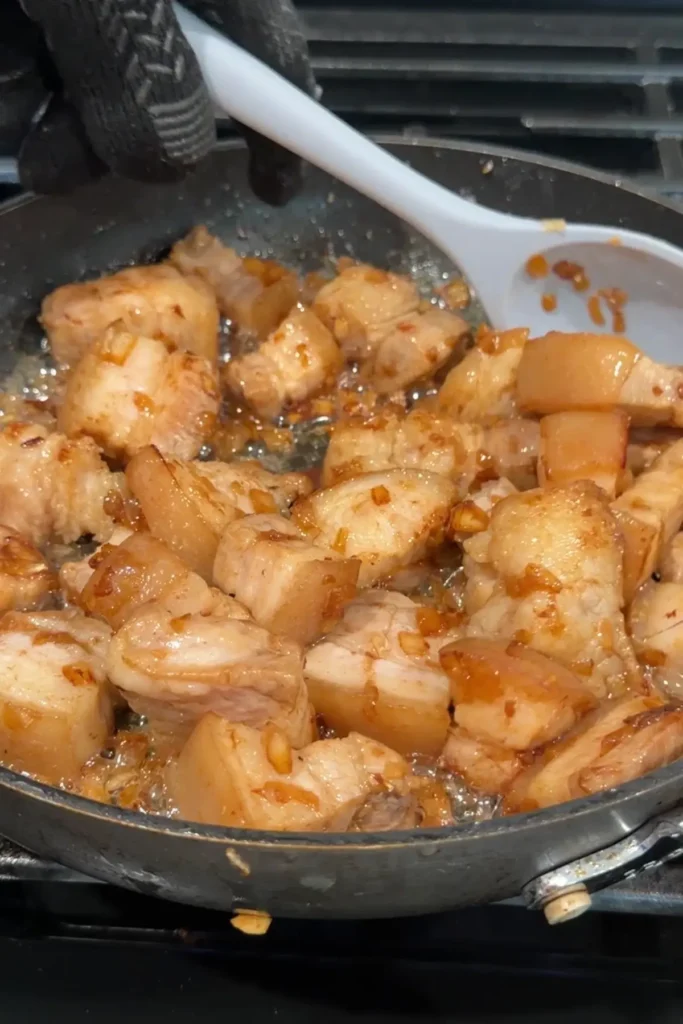
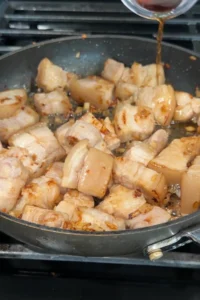
Add the fish sauce and stir well to coat the pork.
5. Add The Shrimp Paste.
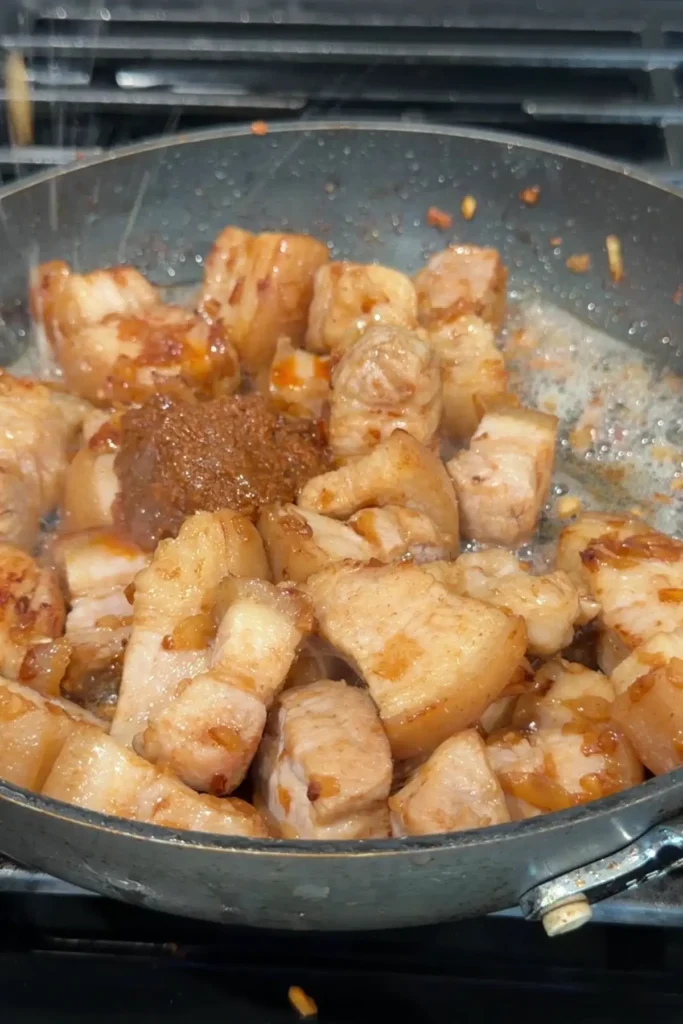
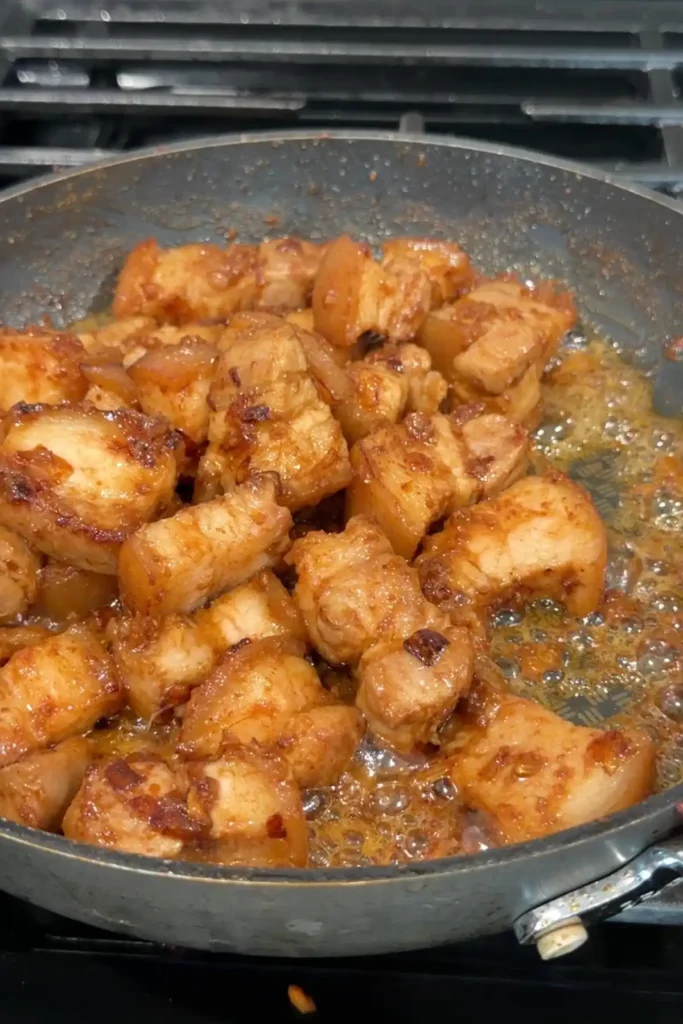
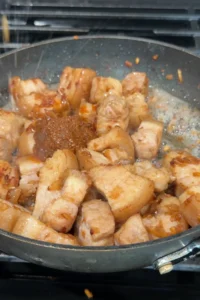
Add the shrimp paste and stir until it clings to the pork.
6. Pour In The Vinegar.
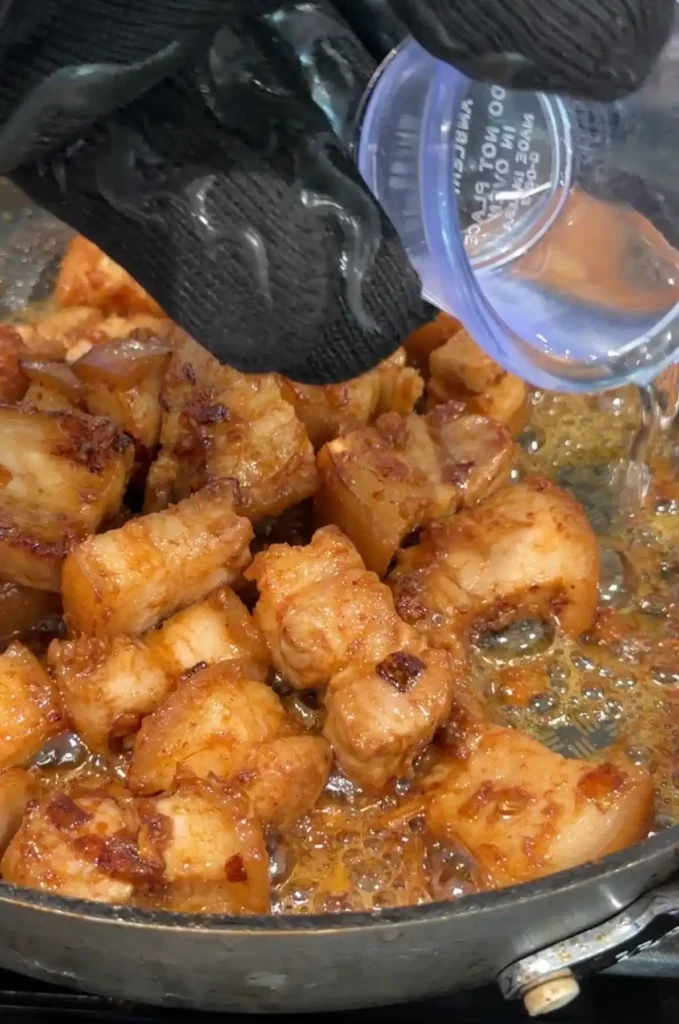
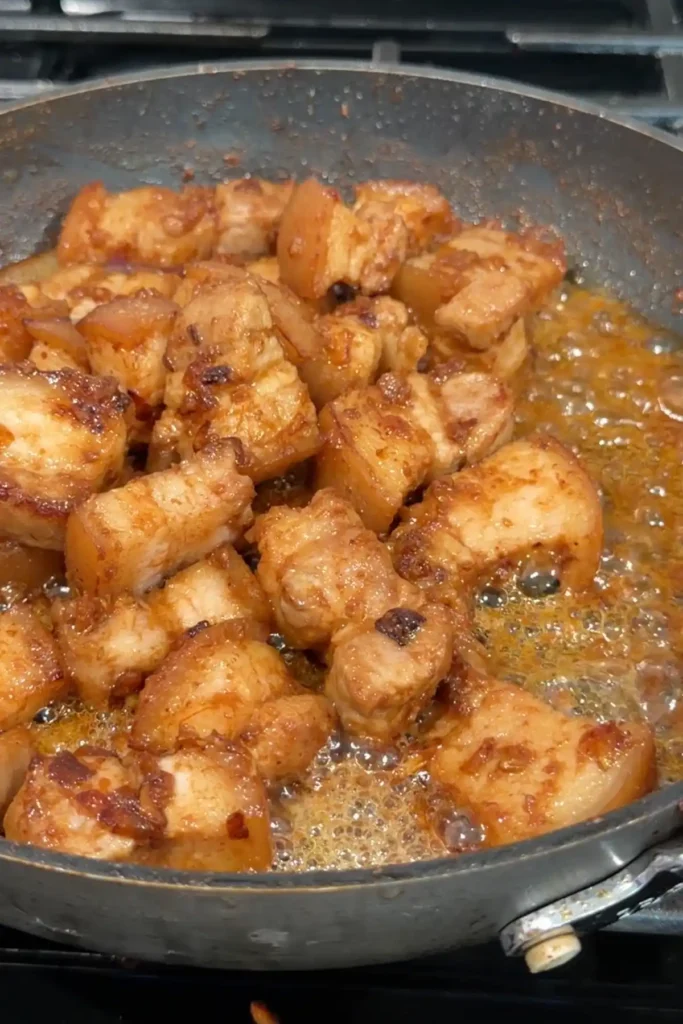
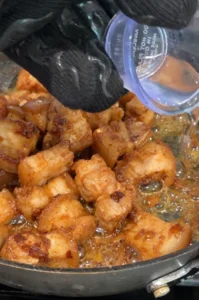
Pour in the vinegar and do not stir. Let it simmer until the vinegar has mostly evaporated.
7. Simmer Until Tender.
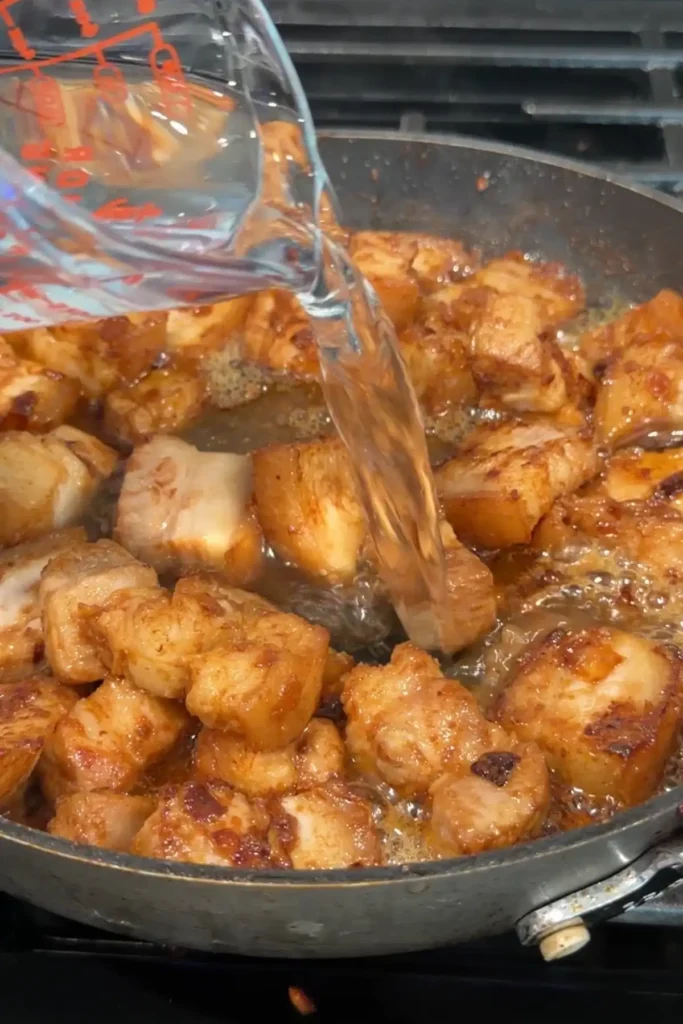
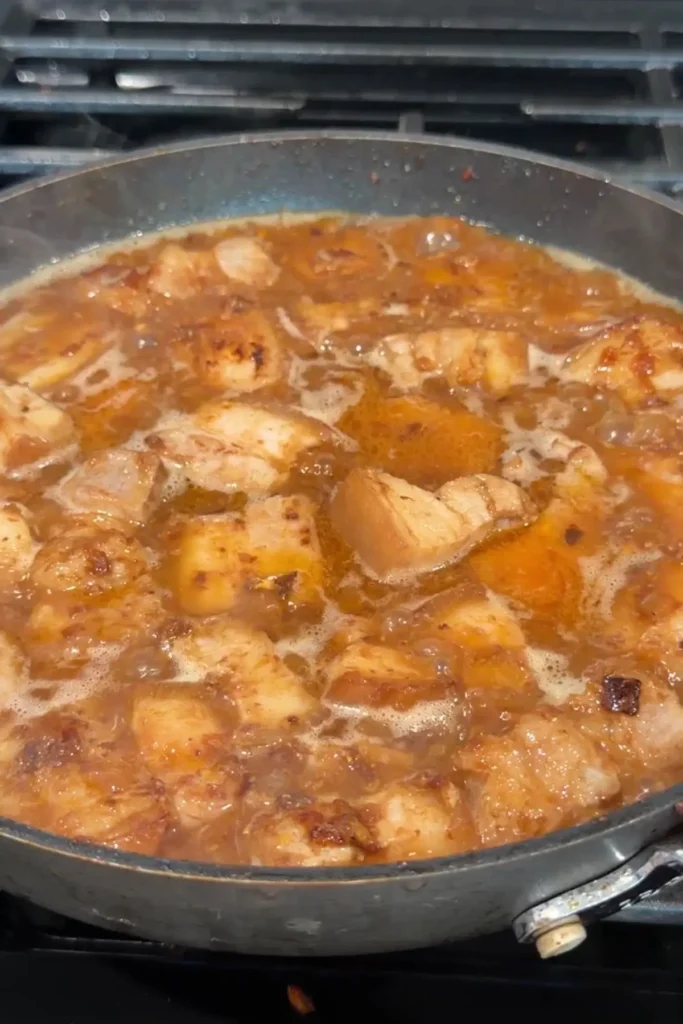
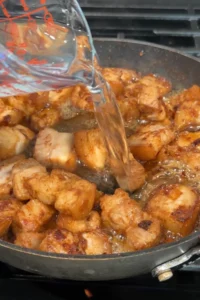
Add the water, then cover and simmer until the pork is tender, about 30 minutes.
8. Add The Chilies.
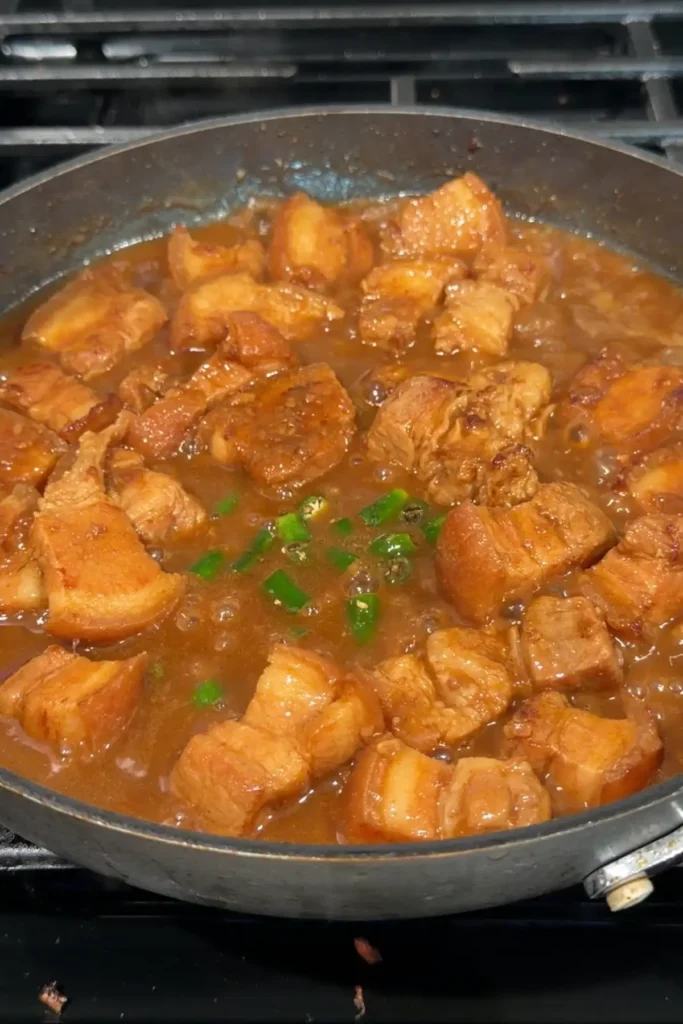
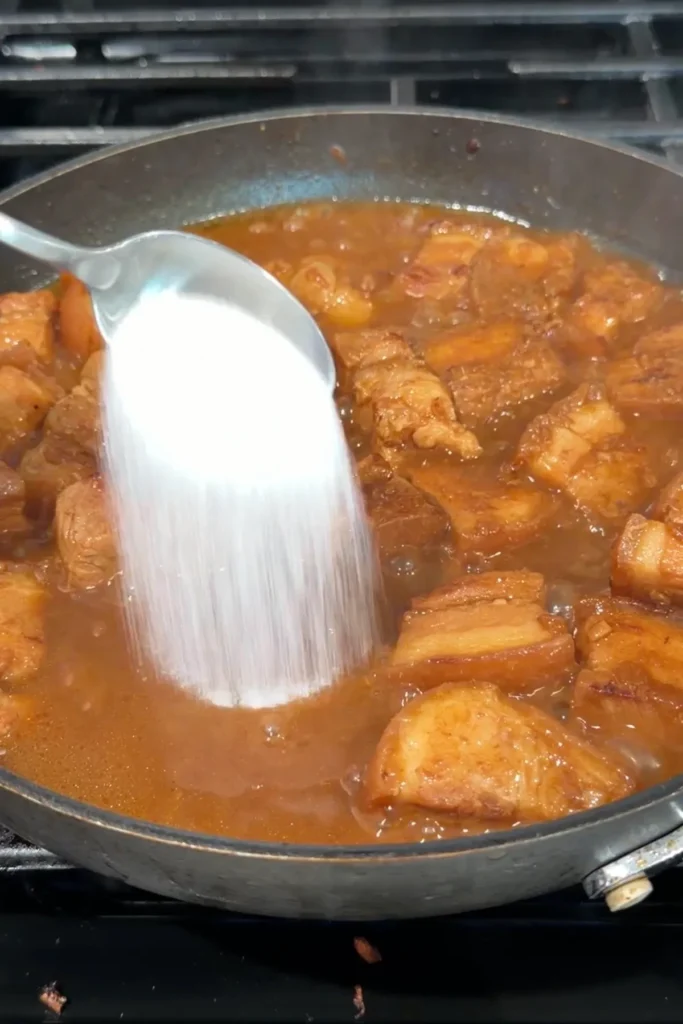
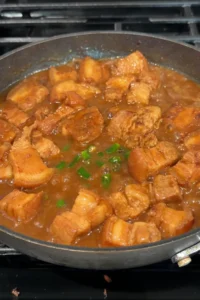
Stir in the chopped green chilies. Add sugar if you want a little sweetness to balance the saltiness.
9. Reduce The Sauce.
Let the sauce simmer until it reduces to your desired consistency.
10. Finish With The Eggplant.
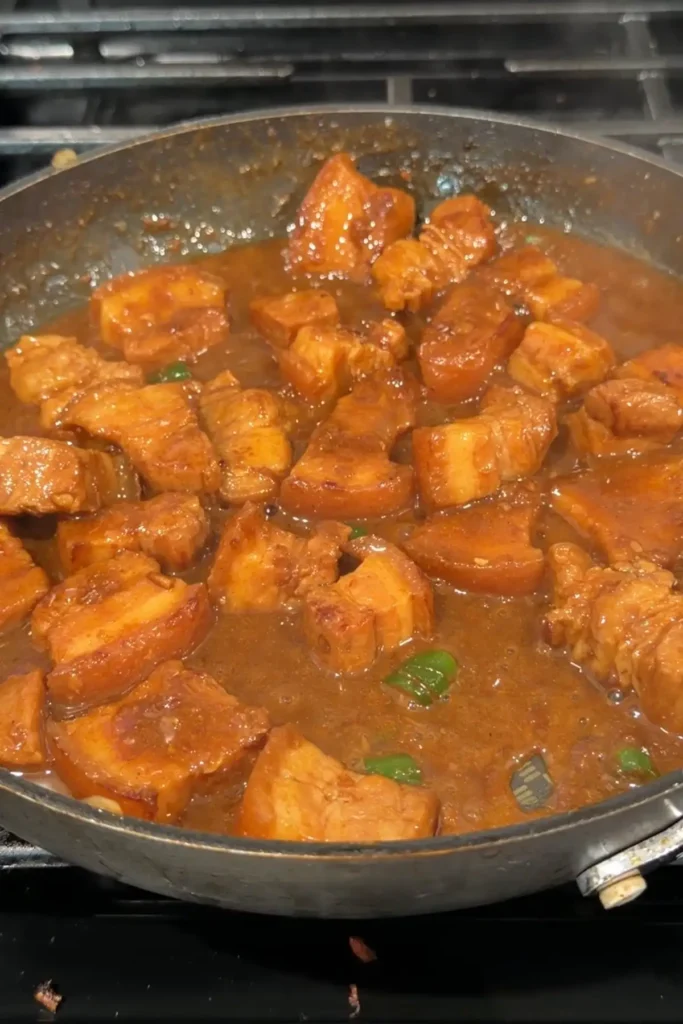
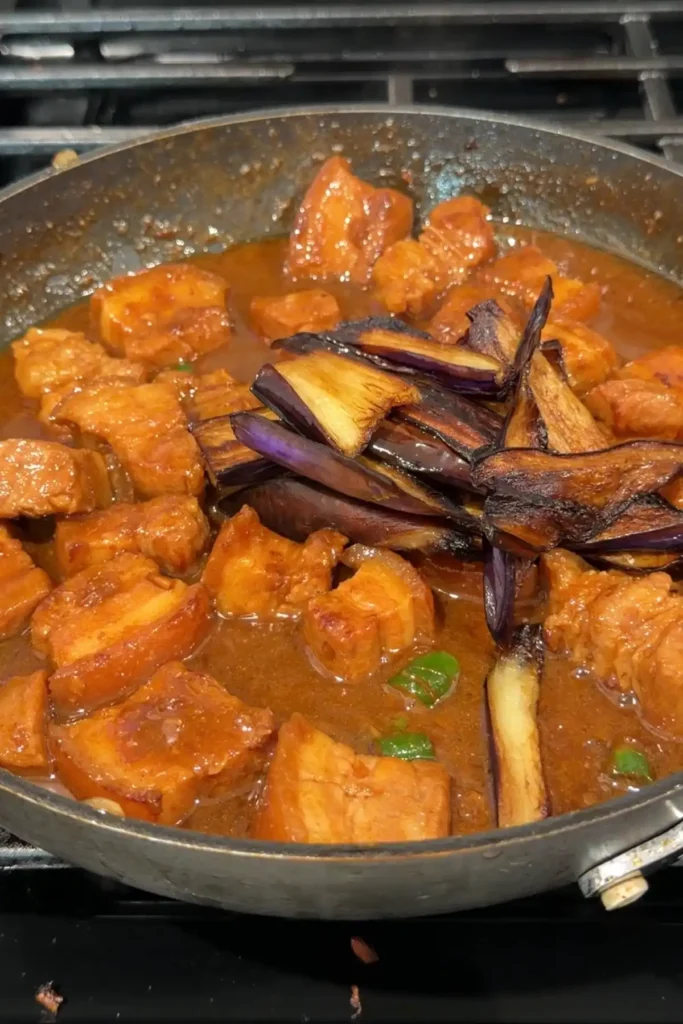
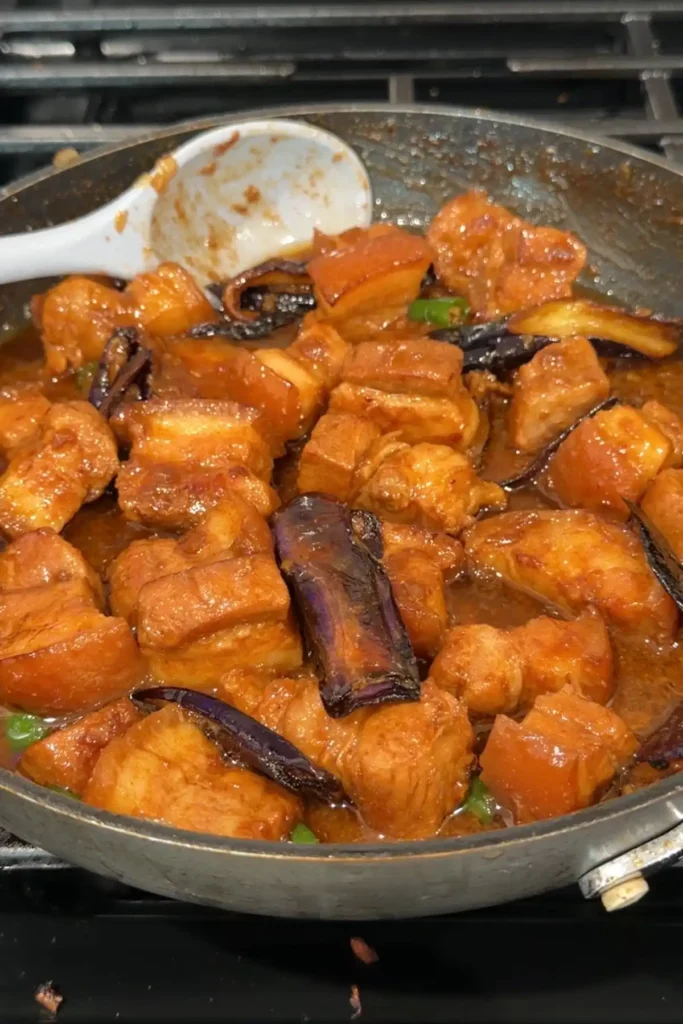
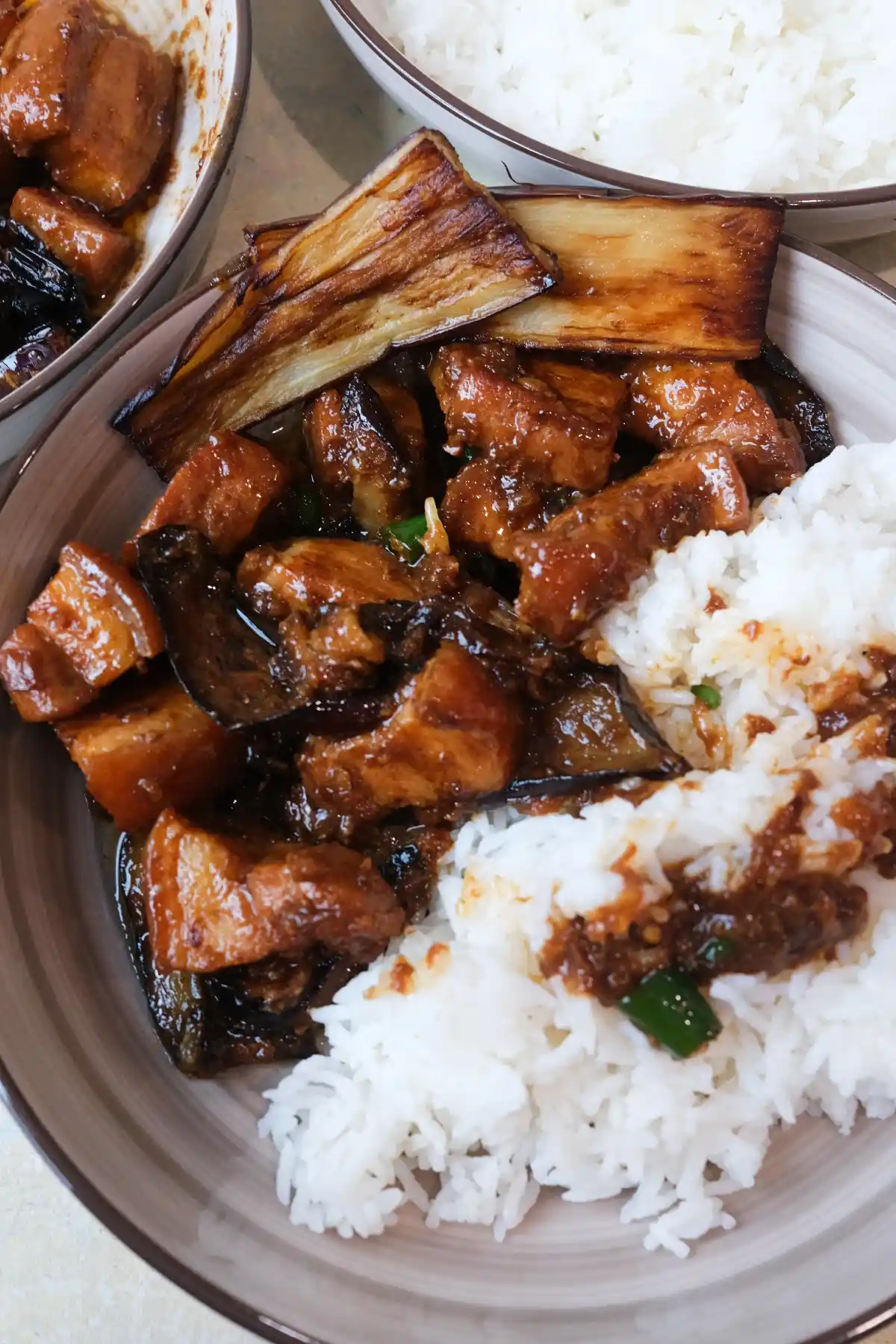
Add the fried eggplant at the end and gently toss to coat. Serve with rice and enjoy.
Tips For The Best Pork Binagoongan
Follow these tips for pork binagoongan that tastes extra good every time.
- Fry the eggplant separately. This keeps it tender and silky instead of mushy.
- Let the vinegar cook without stirring right away. This helps mellow the sharp flavor before it blends into the sauce.
- Adjust the shrimp paste to taste. Some bagoong is saltier than others, so it is best to start with less if needed.
- Let the sauce reduce. Simmering the sauce a little longer gives this binagoongan recipe a richer flavor and better consistency.
- Balance it at the end. A little sugar can round out the salty, savory, and tangy flavors.
Recipe Variations
Here are a few easy ways to switch up this binagoongan recipe.
- Use crispy pork belly. Instead of simmering the pork in the sauce right away, boil or simmer the pork belly until tender first, then air fry or pan fry it until crisp. Add it to the sauce toward the end so it stays crisp around the edges.
- Add kamias. If you want a more traditional sour note, add sliced kamias while the pork simmers. Let it cook until softened so it melts into the sauce a bit.
- Add tomatoes. Some versions start with chopped tomatoes sautéed with the onion and garlic. This gives the sauce a little more body and adds a soft sweetness and acidity.
- Make it spicier. Add extra green chilies or a few Thai chilies if you want more heat.
- Use pork shoulder instead of pork belly. Pork shoulder is a little meatier and less rich, but it still turns tender and flavorful after simmering.
What To Serve With Binagoongan
Pork binagoongan is rich, savory, and bold, so I like serving it with simple sides that balance all that flavor.
- Steamed white rice. This is the classic choice because it soaks up the salty, savory sauce so well.
- Garlic rice. If you want to make it feel a little more special.
- Fresh tomatoes or cucumber. A simple fresh side helps cut through the richness.
- Atchara. The sweet and tangy flavor is a great contrast to this pork binagoongan.
How To Store And Reheat Leftovers
To Store: Let the binagoongan cool completely, then transfer it to an airtight container and refrigerate for up to 4 days.
To Reheat: Reheat it in a pan over medium-low heat until warmed through, adding a splash of water to loosen the sauce. Or, microwave it in a microwave-safe dish in 30-second intervals, stirring in between, until hot.
Frequently Asked Questions
What Does Binagoongan Taste Like?
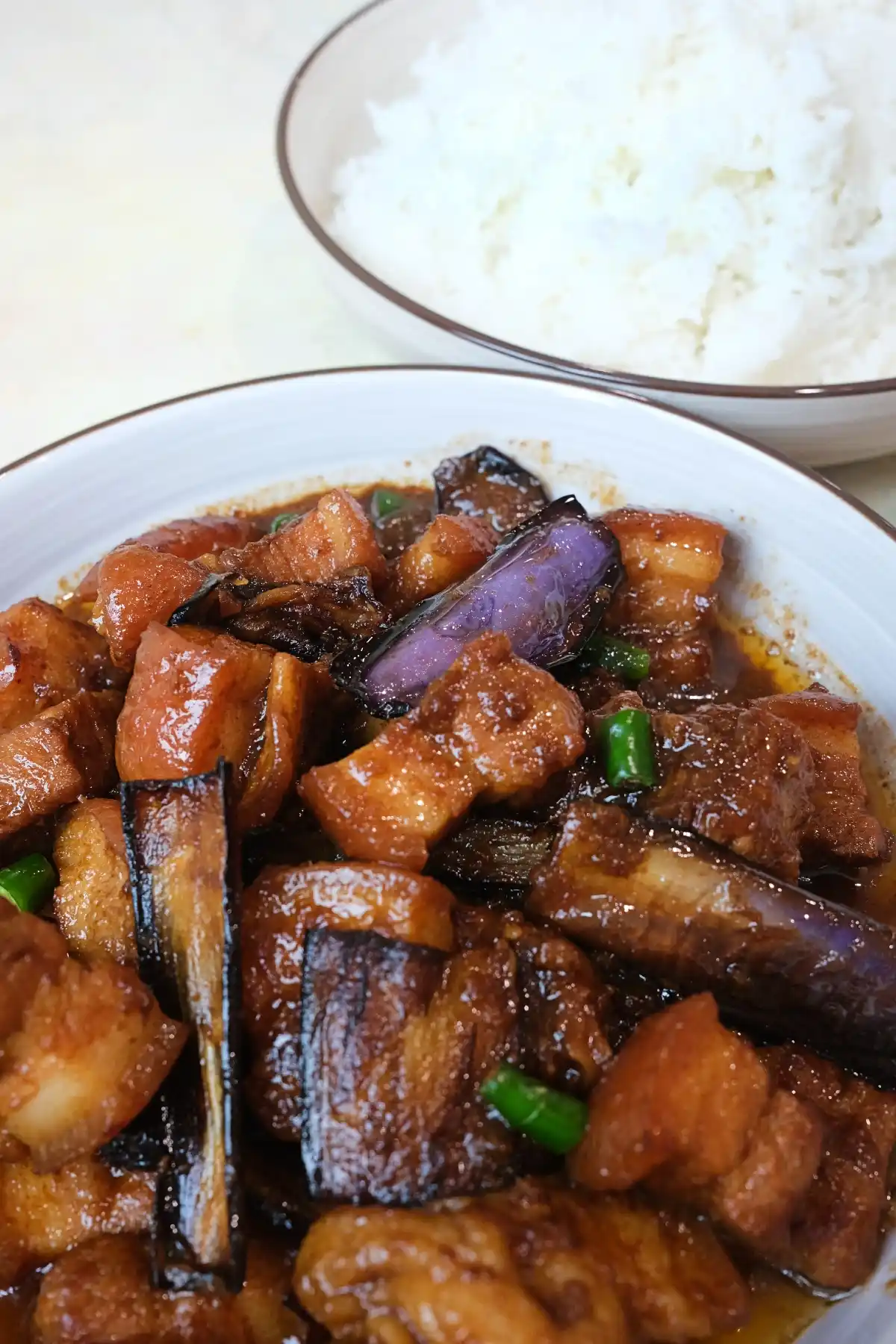
Binagoongan has a bold, savory flavor with a deep salty richness from the shrimp paste. It also has tender pork, a touch of sweetness, and just enough heat from the chilies.
Can I Use Pork Belly Or Pork Shoulder?
Yes, you can use either one for this pork binagoongan recipe. Pork belly gives you a richer, more indulgent dish, while pork shoulder is a little meatier and still turns tender after simmering.
Do I Need To Use Kamias (Bilimbi)?
No, you do not need to use kamias in this recipe. It adds a sour note in some versions, but this pork binagoongan still turns out flavorful without it since the vinegar already gives the dish a little tang.
Is Binagoongan Spicy?
Binagoongan can be mildly spicy or quite spicy depending on how many chilies you add. This binagoongan recipe has a little kick, but you can easily adjust the heat to suit your taste.
More Filipino Recipes You’ll Love
Pork Adobo
Beef Salpicao
Pork Menudo
Pork Picadillo
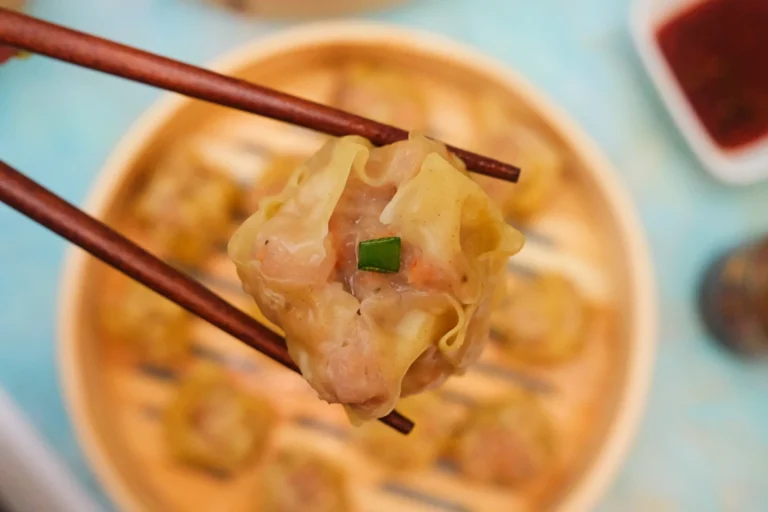
Pork Siomai
Binagoongan Recipe (Filipino Pork in Shrimp Paste)
Ingredients
- Oil for frying and sautéing
- 1 small onion chopped
- 6 cloves garlic minced
- 1 ½ pounds pork belly cubed
- 2 tablespoons fish sauce
- 2 tablespoons shrimp paste bagoong
- 1 tablespoon vinegar
- 1 – 1 ½ cups water
- 2 long green chilies chopped
- 1 to 2 teaspoons sugar optional
- 1 large eggplant or 2 small eggplants sliced
Instructions
- Heat oil in a pan. Fry the sliced eggplant until tender and browned, about 2 minutes per side. Transfer to a paper towel-lined plate and set aside.

- In the same pan, sauté the onion until translucent, about 2 to 3 minutes. Add the garlic and sauté for 1 minute, until fragrant.
- Add the cubed pork and cook until lightly browned.
- Add the fish sauce and stir well to coat the pork.
- Once most of the liquid has cooked off, add the shrimp paste and stir until it clings to the pork.
- Pour in the vinegar. Do not stir. Let it simmer until the vinegar has mostly evaporated.

- Add the water. Cover and simmer until the pork is tender, about 30 minutes.
- Add the chopped green chilies. Add sugar if you want a little sweetness to balance the saltiness, then let the sauce simmer until it reduces to your desired consistency.
- Add the fried eggplant at the end and gently toss to coat. Serve with rice and enjoy!