
Learn how to make soft, pillowy Filipino cheese rolls with a cheesy center and buttery sugar topping. Perfect for breakfast or merienda!
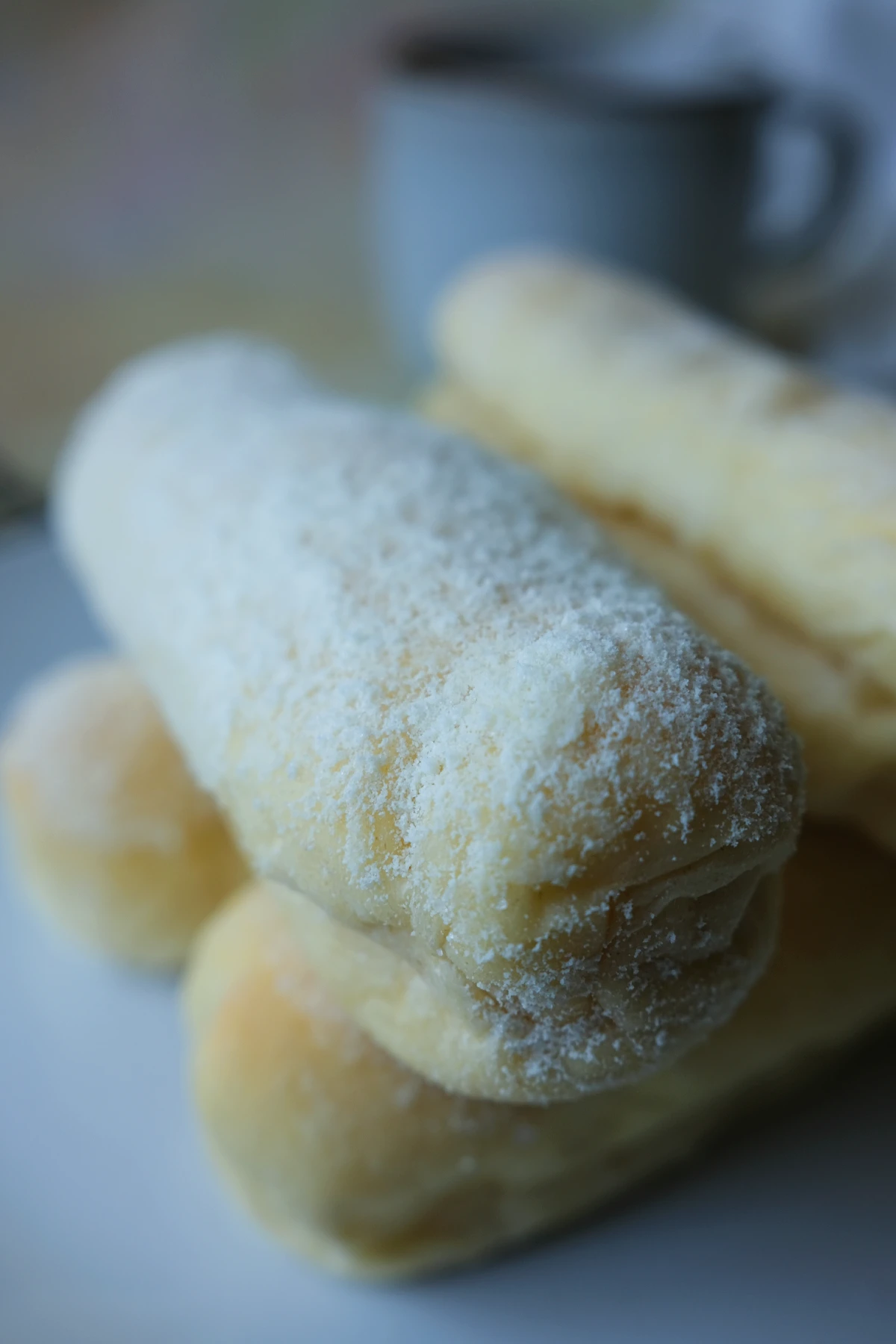
Cheese rolls are such a classic that bakeries back home compete over who makes the best ones. Normally, I’d just buy a box, given how many bakeries sell them. But alas, I’ve yet to find one here in LA, so I had to make my own.
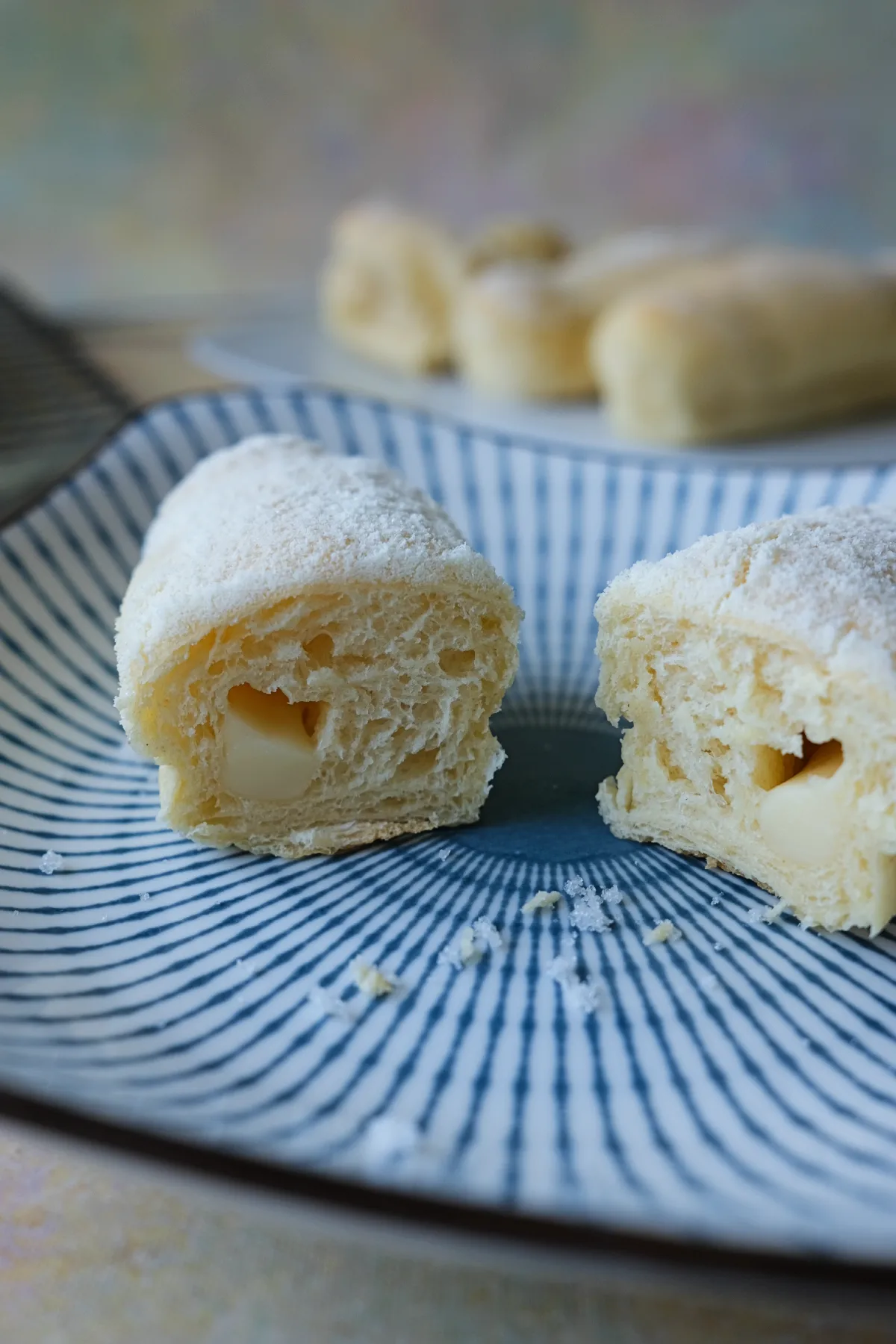
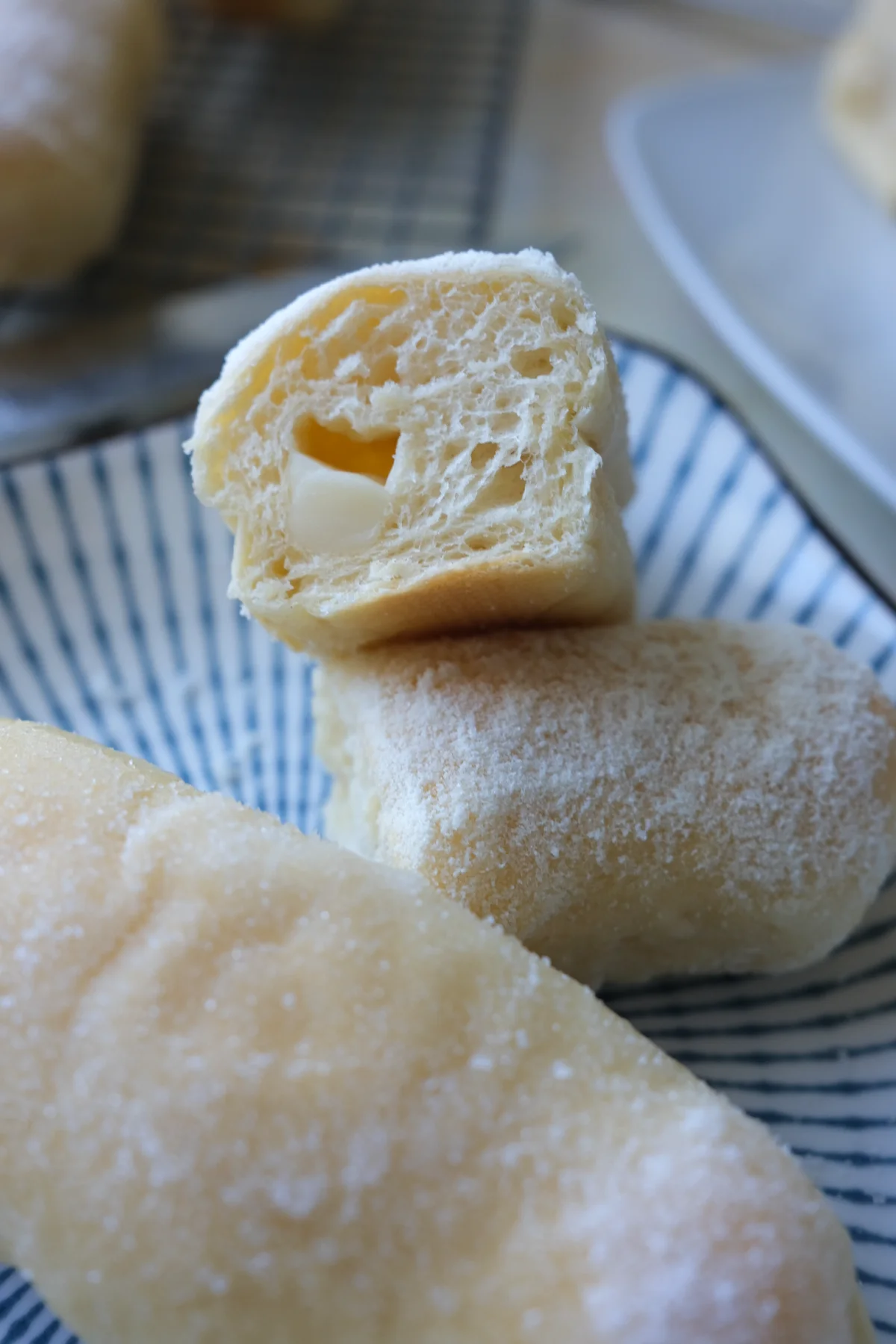
These cheese rolls have that signature pillowy softness with a rich, buttery crumb. The cheese gets soft and creamy without completely melting, giving you just the right salty contrast to the sweet bread.
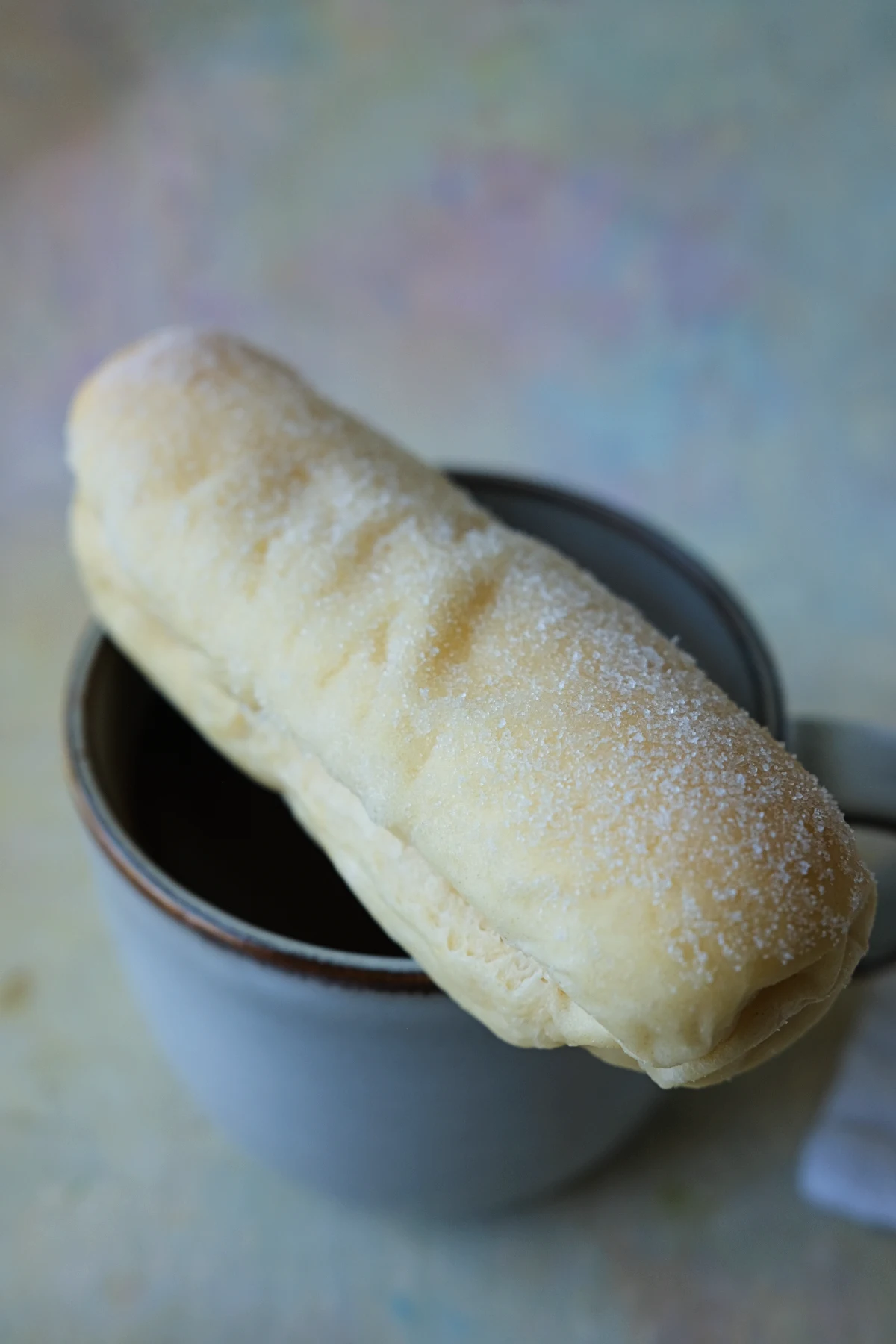
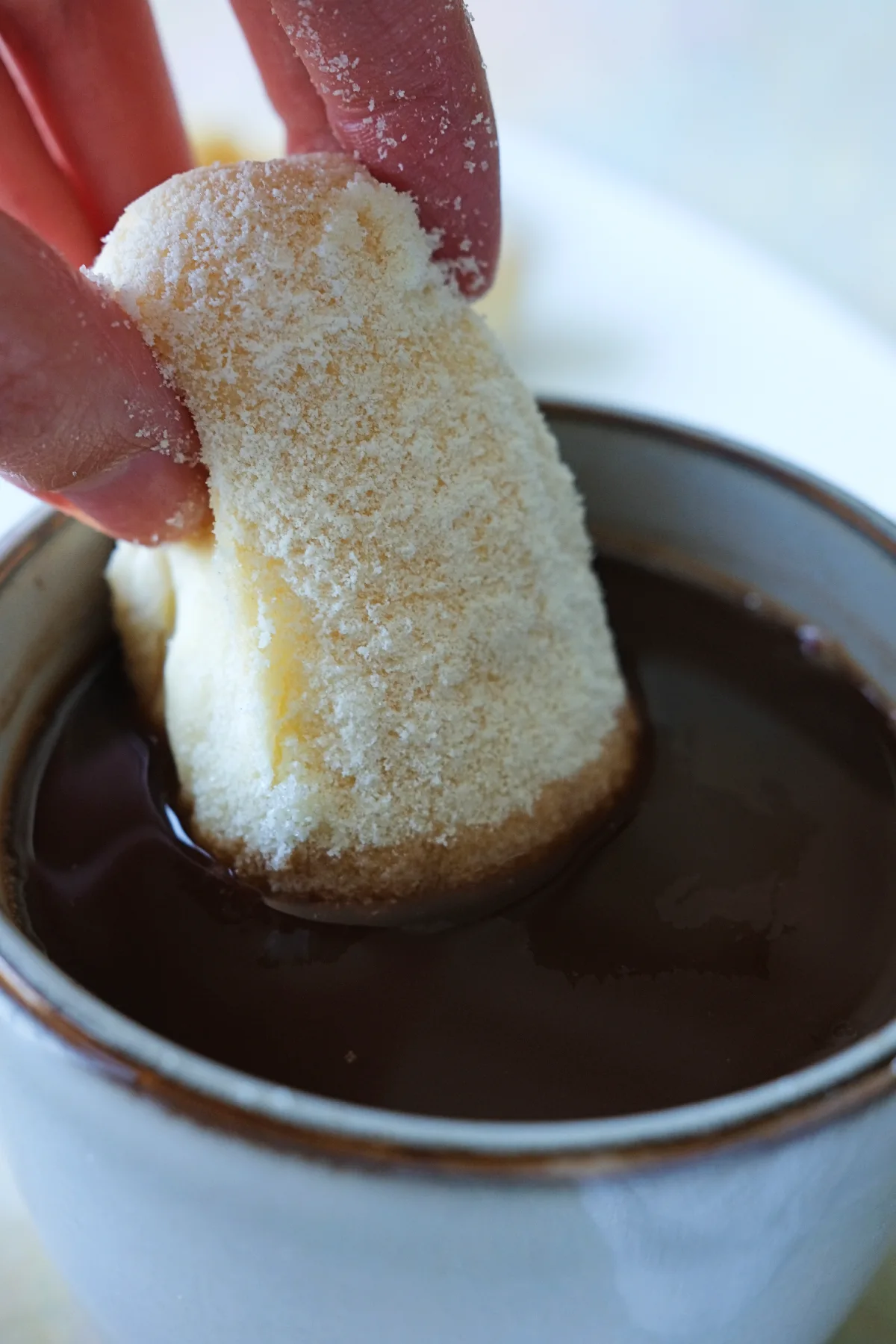
Add butter and sugar on top, or some milk powder for extra richness. Perfect with coffee or hot chocolate.
What Are Filipino Cheese Rolls?
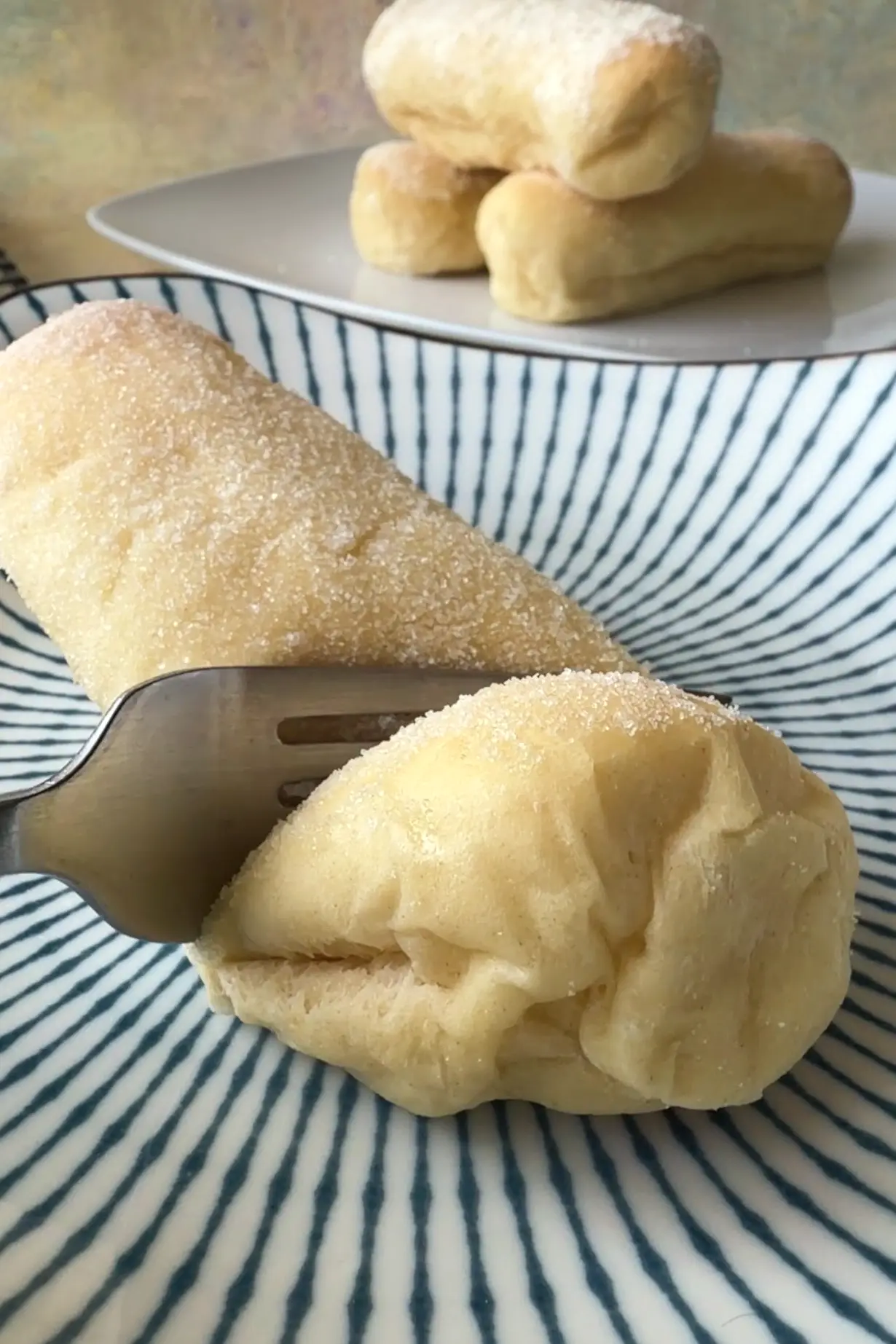
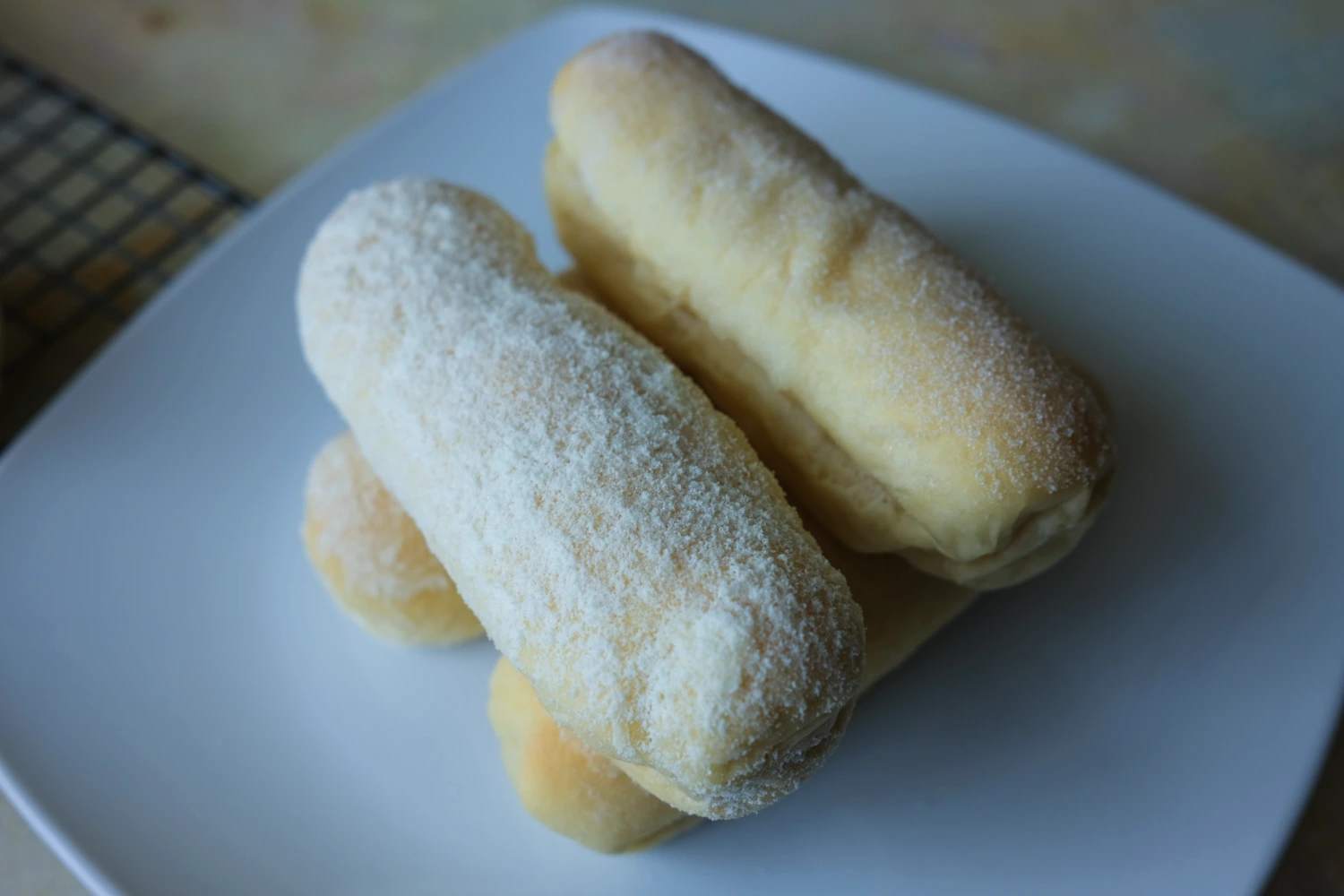
Filipino cheese rolls are soft, slightly sweet bread rolls filled with cheese, then brushed with butter and coated in sugar.
You’d be hard-pressed to visit a bakery in the Philippines without spotting these pillowy treats.
It’s hard to stop at just one, so getting a box or a dozen is pretty much the way to go. They’re also a popular pasalubong, a treat brought home to share with family and friends.
Ingredients You’ll Need
- Flour: Use all-purpose flour for a soft, tender dough. It will feel very soft and sticky even after kneading, which is normal. Resist adding more flour to fix the stickiness, or you’ll end up with denser rolls.
- Sugar: Aside from adding sweetness, it also helps feed the yeast, helping the dough rise. You’ll also need some to coat the tops after baking.
- Instant yeast: This gives the dough its rise and creates that soft, fluffy texture. Instant yeast goes straight into the dry ingredients, so there’s no need to proof it separately.
- Salt: Balances the sweetness and brings out the flavors of the bread and cheese.
- Egg yolks: Using just the yolks instead of whole eggs makes the dough richer and more tender.
- Milk and water: Warm both to around 100-110°F before adding them to the dough. The warmth helps get the yeast working. If the liquids are too cold, the dough will rise more slowly. If they’re too hot, they may kill the yeast.
- Mashed potatoes: The secret to extra-soft and fluffy cheese rolls. Mash the potatoes while they’re still hot so they’re completely smooth, then let them cool to room temperature before adding them to the dough.
- Unsalted butter: This goes directly into the dough for richness and a tender texture. You’ll also need extra butter to coat the dough, grease the bowl, and brush over the baked rolls.
- Processed cheese: I use Magnolia Cheezee, cut into sticks about 3 inches long. It softens as the rolls bake without completely melting, so you still get a nice cheesy center.
- Milk powder: This is optional, but I like mixing it with the sugar for the topping. It adds a little extra milky flavor that works really well with the sweet bread and salty cheese.
How to Make Filipino Cheese Rolls
Don’t be intimidated by the long list of steps. Making Filipino cheese rolls is actually pretty straightforward. Most of the time goes into letting the dough rise. Here’s how to make them:
1. Make the Dough
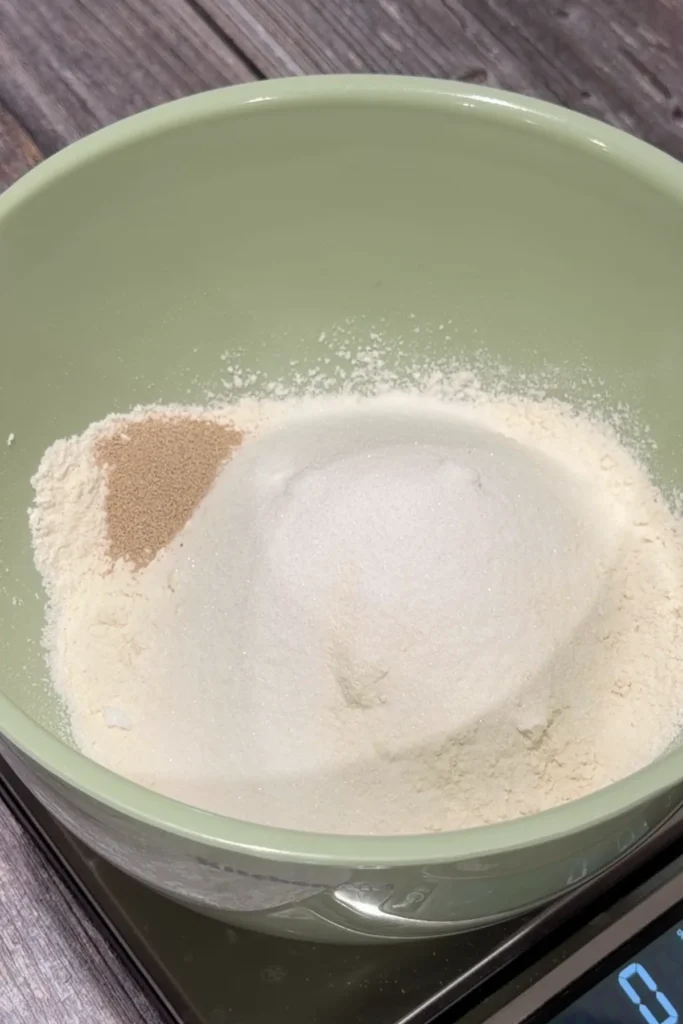
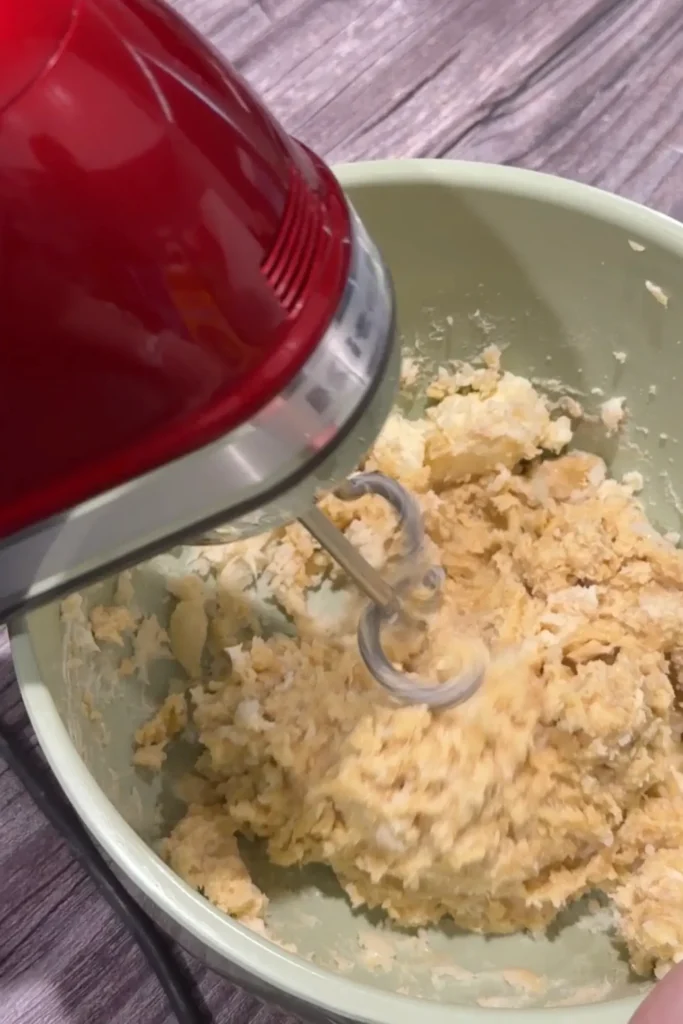
Combine the flour, sugar, yeast, and salt in the bowl of a stand mixer. Add the milk, water, egg yolks, and mashed potatoes.
Fit the mixer with the dough hook and mix on low until everything comes together into a shaggy dough.
2. Add the Butter and Knead
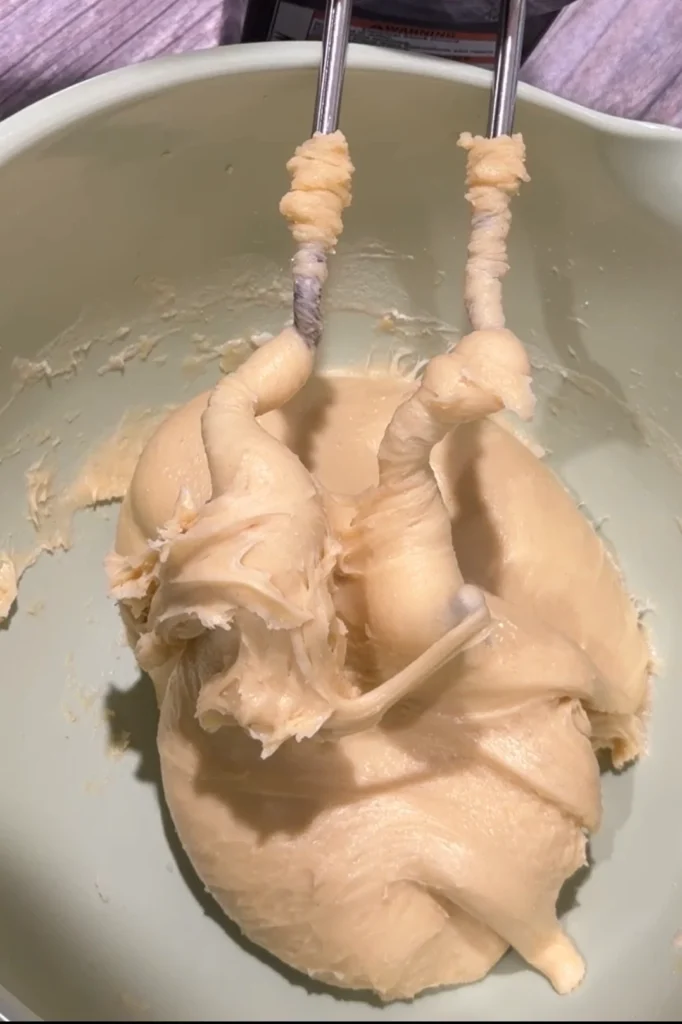
Add the softened butter once the dough has come together. Knead on low to medium-low speed for about 10-12 minutes.
The dough will be very soft and sticky. Don’t add more flour to make it easier to handle.
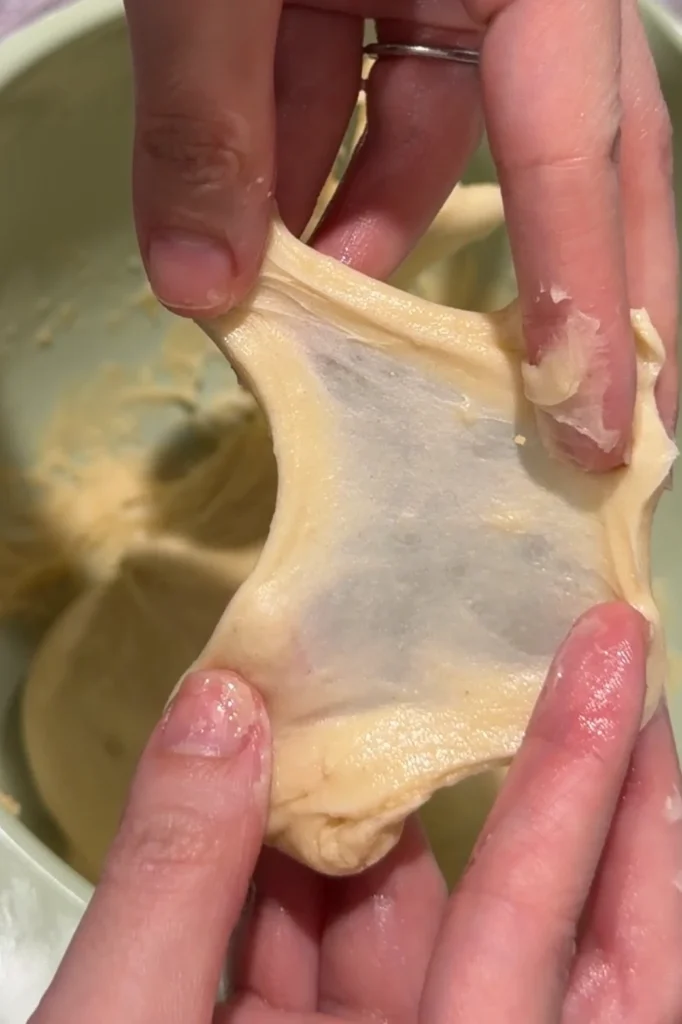
To check if it’s ready, use the windowpane test. Pinch off a small piece and slowly stretch it between your fingers. If you can stretch it thin enough to see light through it without the dough immediately tearing, the gluten has developed enough.
3. Let the Dough Rise
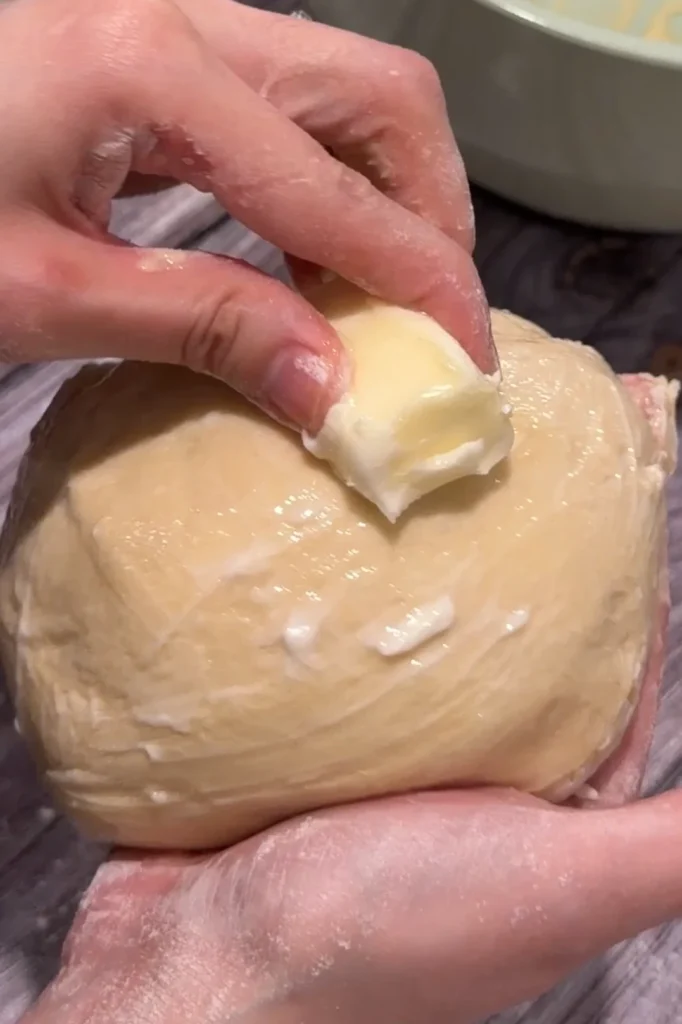
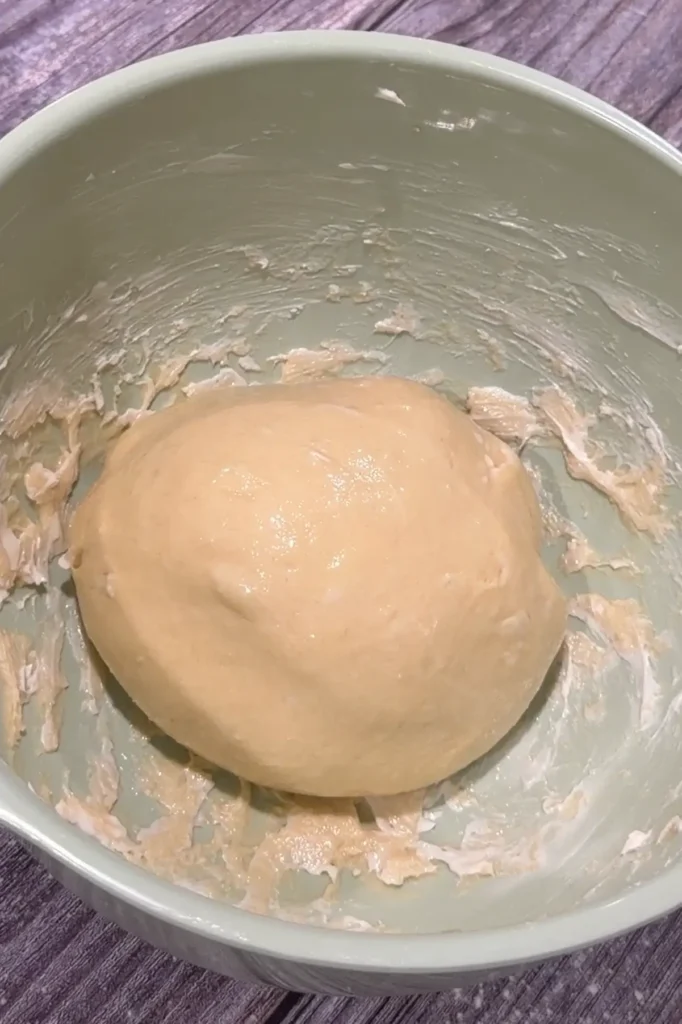
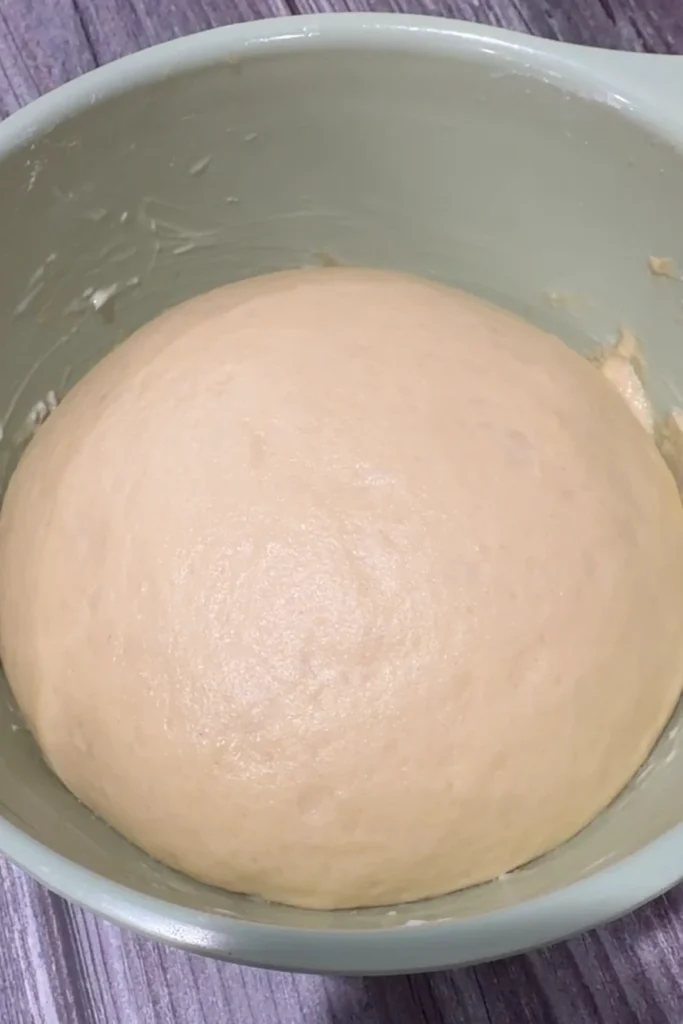
Lightly flour your hands, remove the dough from the bowl, and shape it into a smooth ball. Rub the dough generously with softened butter and grease the bowl with more.
Return the dough to the bowl, cover it with a clean kitchen towel, and let it rise until doubled in size, about 1 hour.
Note: If your kitchen is cold, place the covered bowl in an unheated oven with the light on.
4. Divide the Dough
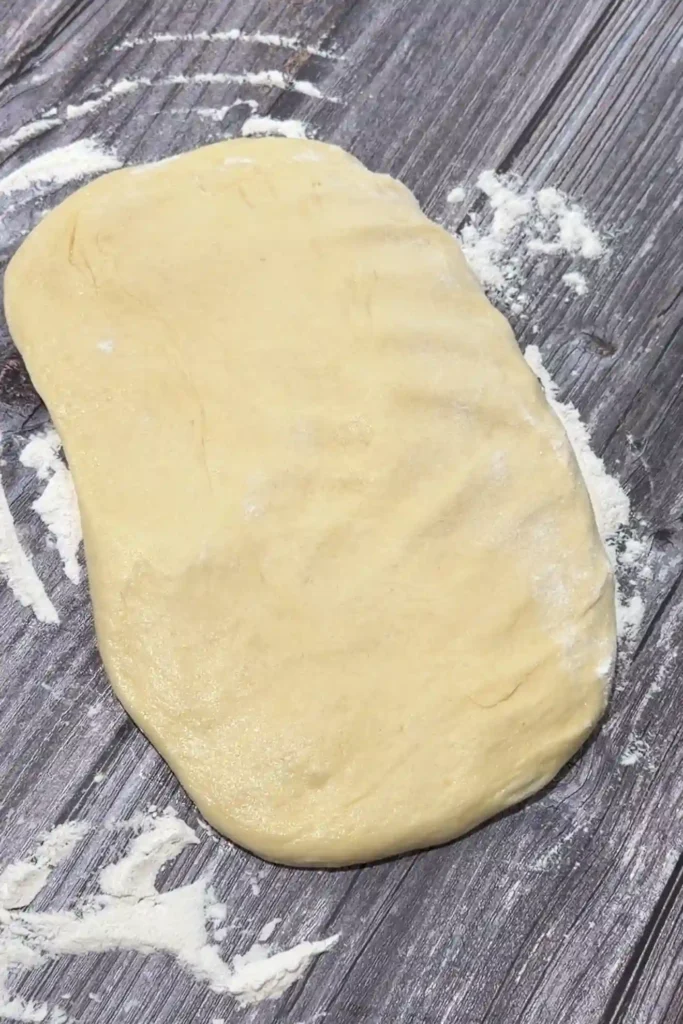
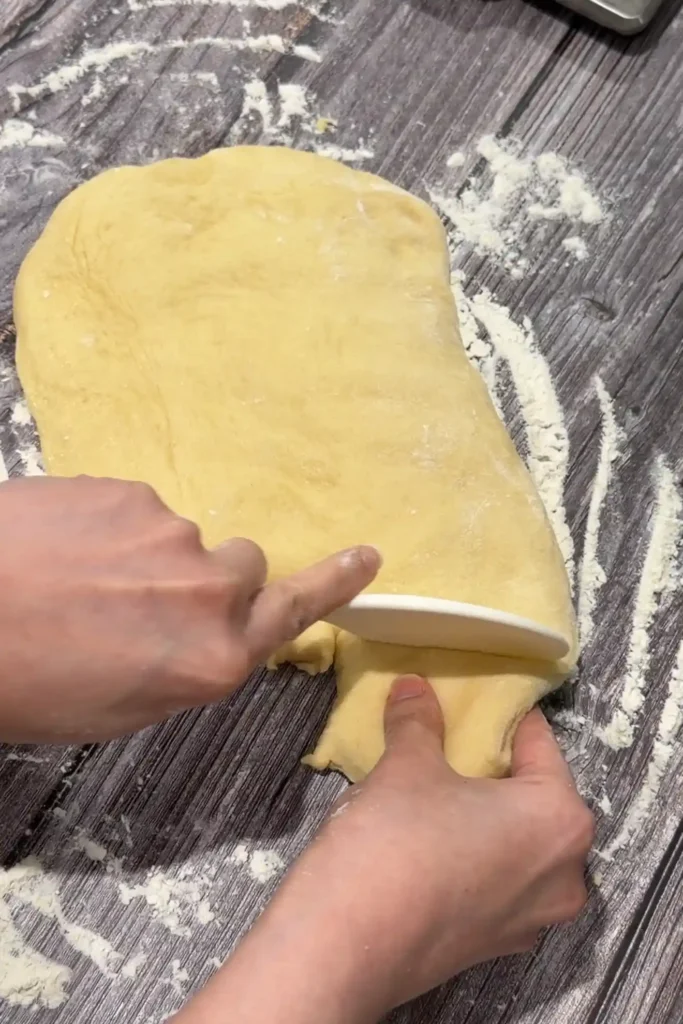
Lightly flour your hands and work surface before handling the risen dough.
Transfer the dough to the counter and gently flatten it. Don’t press down too firmly or squeeze out all the trapped gas.
Divide it into 30-40 gram portions. This recipe makes about 12-18 rolls.
5. Roll and Add the Cheese
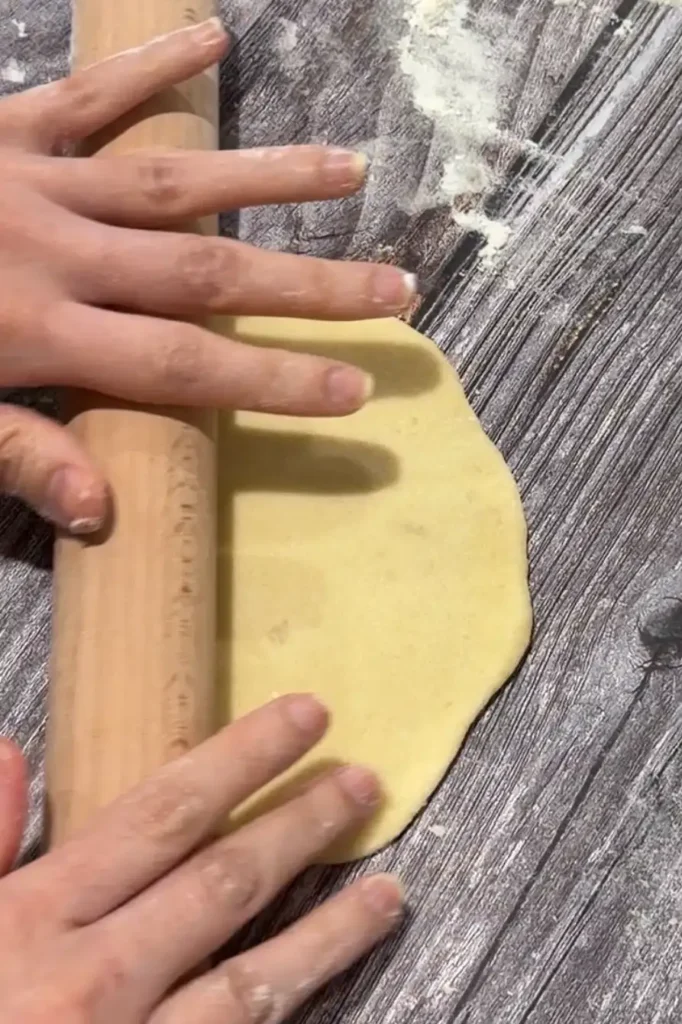
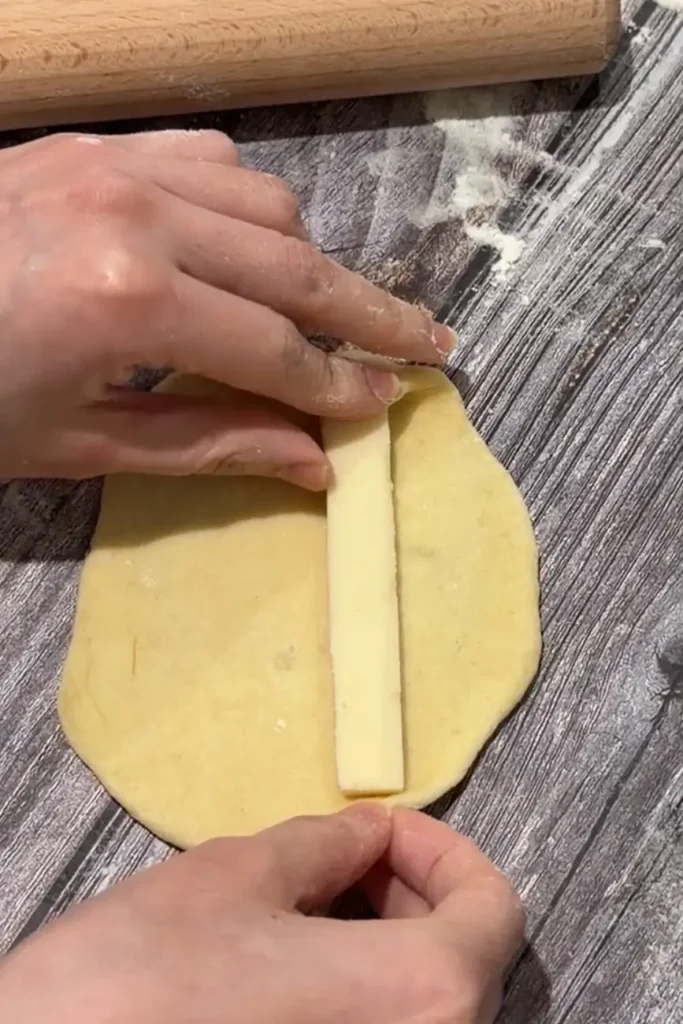
Roll one portion into a small rectangle and place a 3-inch stick of cheese in the center.
Fold the short ends of the dough over the ends of the cheese. Roll the dough around the cheese, then pinch the seam tightly to seal.
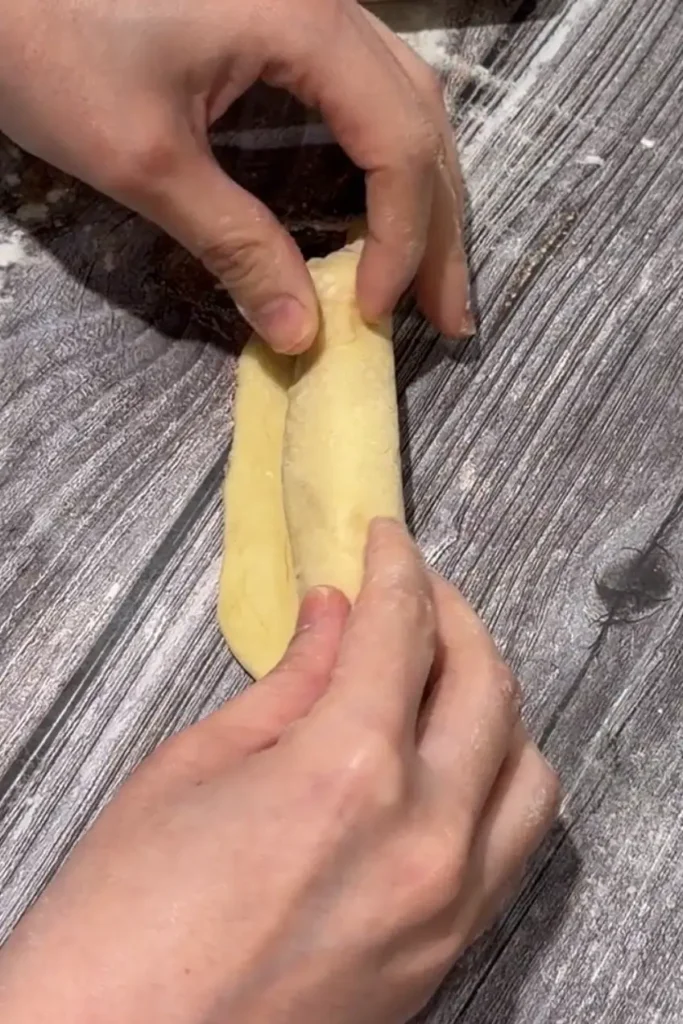
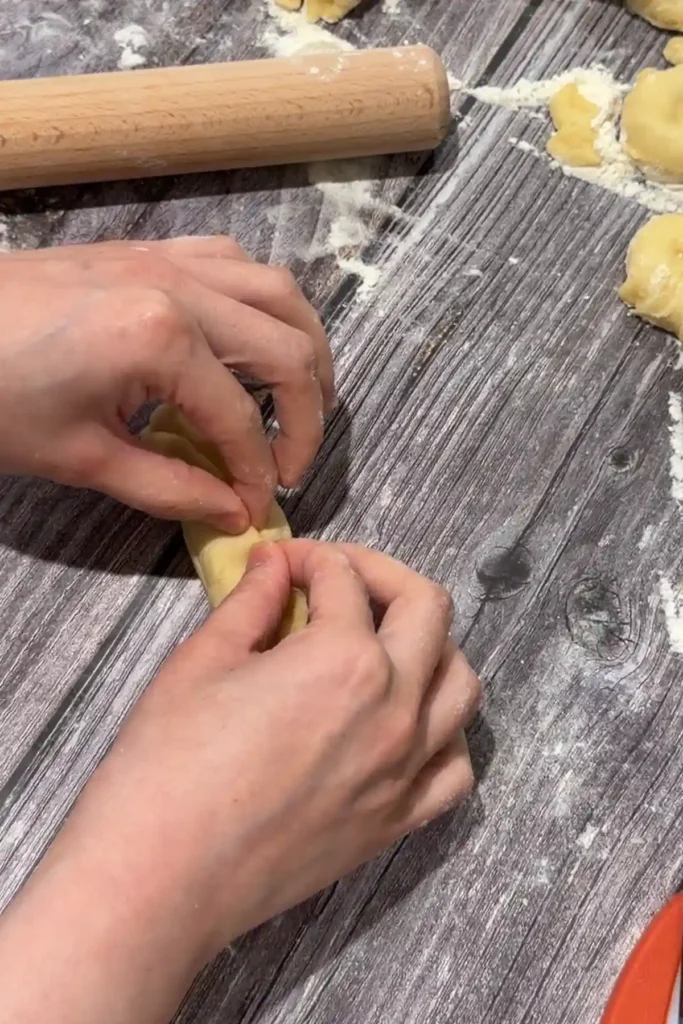
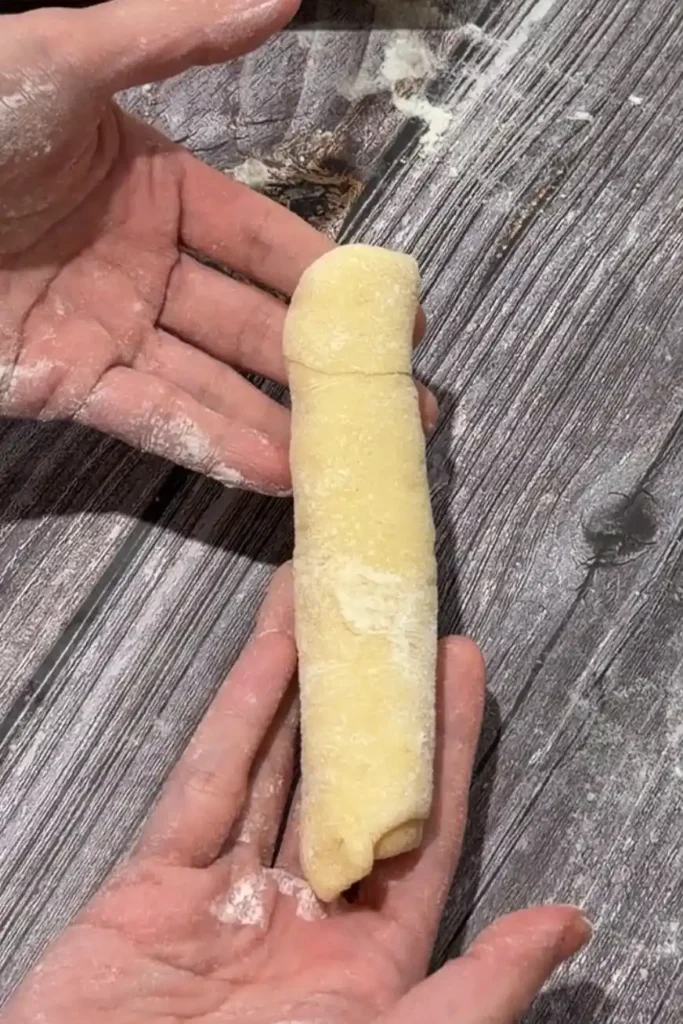
Make sure the cheese is completely enclosed. Any gaps will give the cheese an easy way to ooze out as the rolls bake.
Gently roll each piece back and forth to smooth the seam and give it an even shape.
Place the rolls in cheese roll molds if you have them. If not, arrange them seam-side down on a parchment-lined baking sheet.
6. Let Them Rise Again
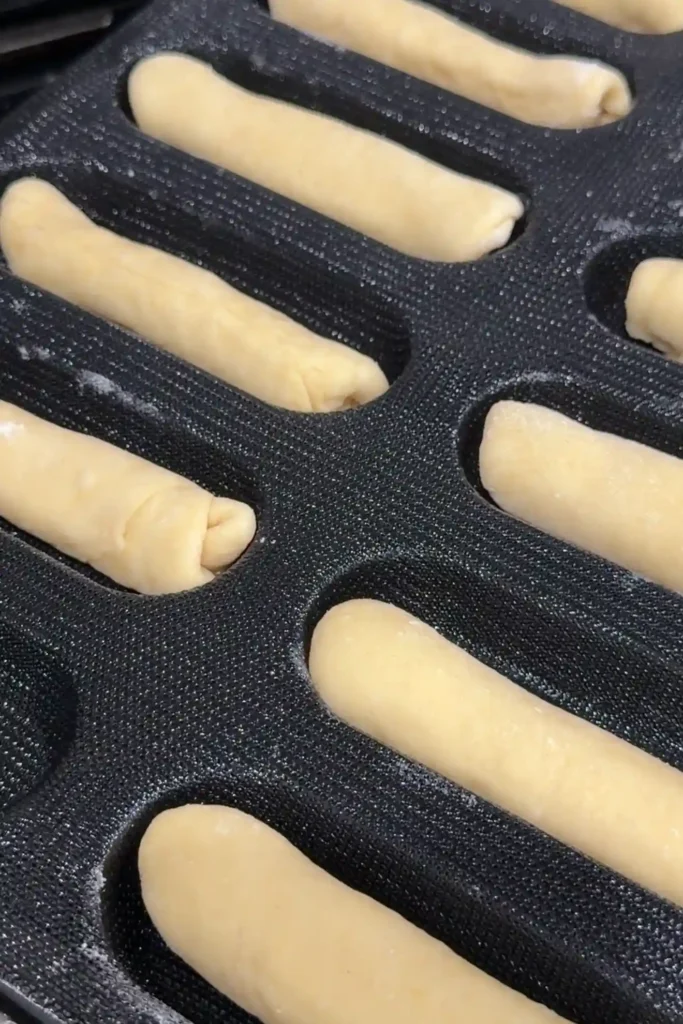
Cover the shaped rolls and let them rise for about 1 hour, or until noticeably puffy.
Again, go by how the dough looks rather than the exact time. If needed, place the tray in an unheated oven with the light on.
7. Bake
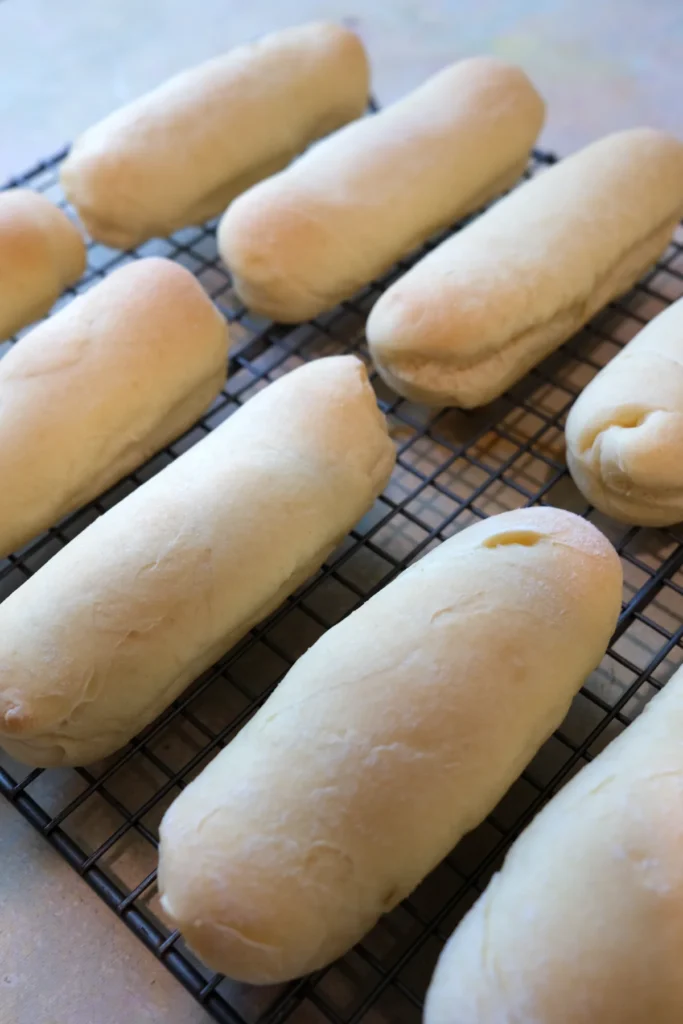
Preheat the oven to 300°F. Bake the cheese rolls for 18-20 minutes, or until they’re cooked through and lightly golden.
Let them cool for about 10 minutes before adding the topping.
8. Coat with Butter and Sugar
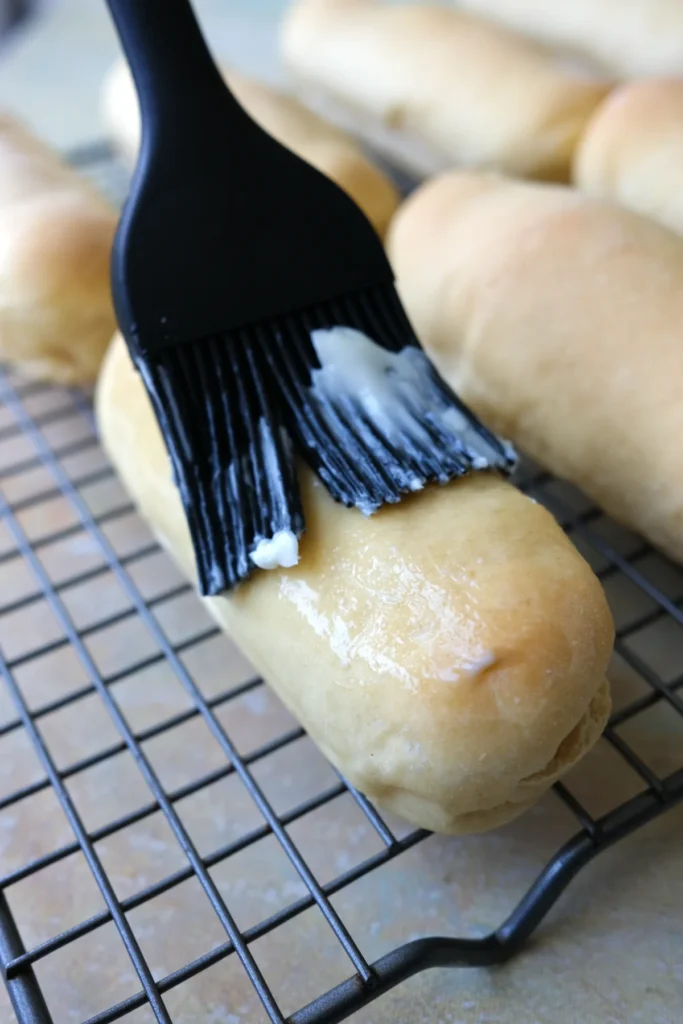
Brush the tops generously with softened butter while the rolls are still slightly warm.
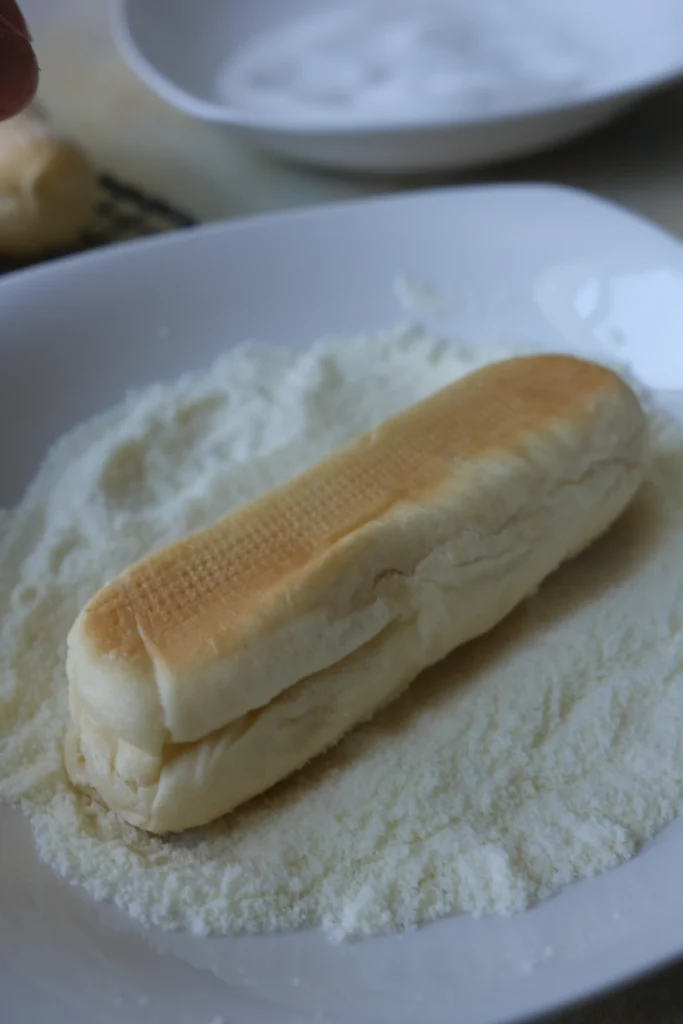
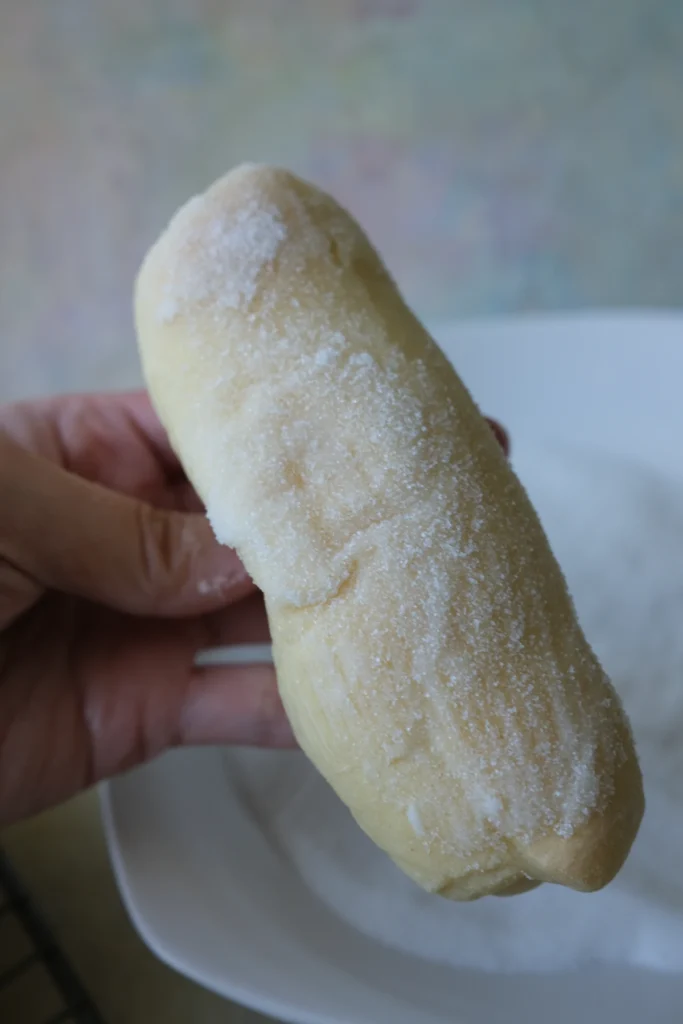
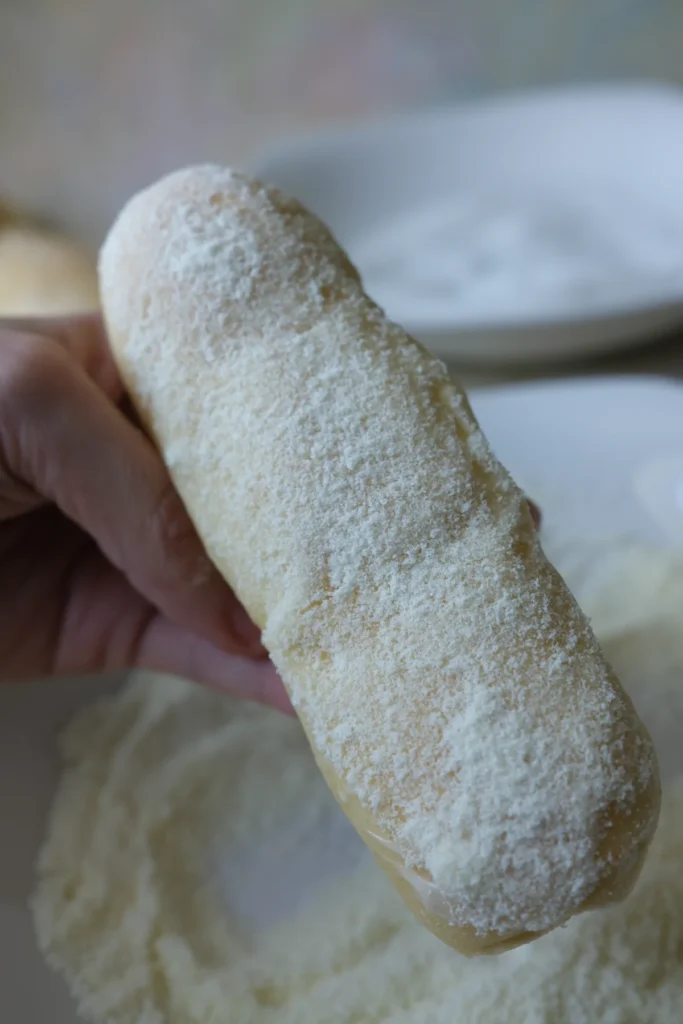
Dip the buttered tops directly into granulated sugar. For milky cheese rolls, mix the sugar with milk powder before dipping.
Serve and enjoy!
Tips for the Best Filipino Cheese Rolls
- Don’t overknead the dough. The 10-12 minutes is a guide. Stop once the dough is smooth, elastic, and passes the windowpane test. Kneading it longer than necessary will make the dough harder to work with.
- Don’t underproof or overproof. Use the times in the recipe just as a guide. Dough rises faster in a warm kitchen and slower in a cool one. For the first rise, look for the dough to double in size. During the second rise, the rolls should look noticeably puffy.
- Give the dough a warm place to rise. If your kitchen is cold, place it in an unheated oven with the light on.
- Keep the milk and water warm, not hot. The ideal temperature is around 100-110°F. If they’re too cold, the dough will rise more slowly. If they’re too hot, they may kill the yeast.
- Be generous with the butter. Rub the dough well with butter before the first rise and generously grease the bowl too. This adds extra richness to the bread.
- Flour your hands and work surface. This is a very soft, sticky dough. A little flour makes shaping much easier, but don’t work a lot of extra flour into the dough or the rolls may become dense.
- Mash the potatoes while they’re hot. This helps you get them as smooth as possible without any lumps. Let the mashed potatoes cool completely to room temperature before adding them to the dough.
- Cover the cheese completely. Tuck the ends in and pinch the seams tightly so there are no gaps. Any exposed cheese may melt and ooze out during baking.
- Use cheese roll molds. They’re optional, but they do a great job of helping the rolls hold their shape. I got mine from Amazon, but a parchment-lined baking sheet works just fine, too.
- Give the shaped rolls enough room. If you’re baking them on a sheet pan instead of individual molds, leave some space between each one so they have room to rise and expand.
- Keep the dough covered while you work. Once you’ve divided it, cover the pieces you’re not currently shaping with a clean kitchen towel. This prevents the surface from drying out.
What Cheese Is Best for Filipino Cheese Rolls?
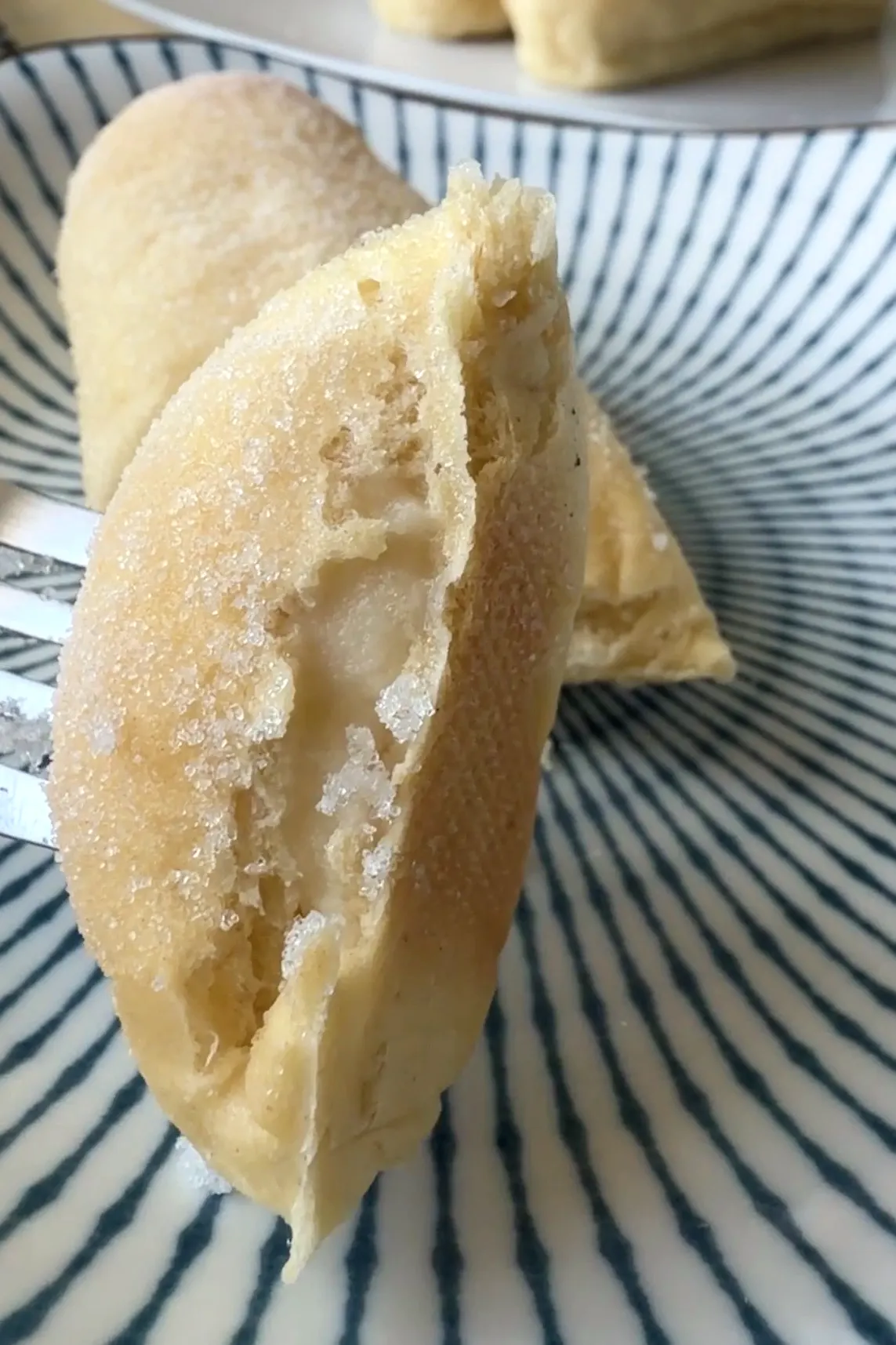
For me, Filipino cheddar cheese works best. It’s a processed cheese, so it doesn’t melt completely in the oven. It softens just enough while still holding its shape, which gives you that melt-in-your-mouth cheese center.
I’ve tried these with regular cheddar, but maybe it’s the Filipino in me, I still prefer the Filipino version.
There are several brands to choose from. I use Magnolia Cheezee, but Eden and Magnolia Quickmelt are good options too. You’ll find them at most Filipino or Asian grocery stores, or online.
Of course, you can use whatever cheese you like. Regular cheddar, American cheese, Velveeta, or even mozzarella will work. Just remember that different cheeses melt differently, so the center may be softer or gooier.
How to Store Filipino Cheese Rolls
To Store: Wrap each cheese roll in parchment paper, then place them in an airtight container. Store at room temperature for up to 2 days or refrigerate for up to 5 days.
To Reheat: Microwave for about 15-30 seconds, or until soft and warm.
More Asian Desserts You HAVE to Try
Polvoron (Classic, Matcha, and Apple Flavors)
Chocolate Dumplings (Din Tai Fung Copycat)
Filipino Cheese Rolls (Soft, Pillowy, and Cheesy)
Ingredients
- 250 grams all-purpose flour
- 55 grams granulated sugar
- 4 grams instant yeast
- 2.5 grams ½ teaspoon salt
- 3 large egg yolks
- 50 grams whole milk warm (100–110°F)
- 55 grams water warm (100–110°F)
- 70 grams mashed potatoes room temperature
- 50 grams unsalted butter softened, plus more for greasing
- Cheddar cheese cut into 3-inch sticks
- Granulated sugar for coating
- Milk powder for coating, optional
Instructions
- Combine the flour, sugar, yeast, and salt in the bowl of a stand mixer. Add the warm milk, warm water, egg yolks, and mashed potatoes. Using the dough hook, mix on low speed until the ingredients come together into a shaggy dough.
- Add 50 grams of softened butter. Continue kneading on low to medium-low speed for about 10–12 minutes, or until the dough is smooth, elastic, and passes the windowpane test. The dough will be very soft and sticky; don't be tempted to add more flour.*To do the windowpane test, pinch off a small piece of dough and gently stretch it between your fingers. It should stretch into a very thin, almost translucent sheet without immediately tearing. If it tears easily, knead for another minute or two and test again.
- Lightly flour your hands and remove the dough from the bowl. Shape it into a smooth ball, then rub it generously with softened butter. Grease the same bowl with more butter. Place the dough in the bowl, cover with a clean kitchen towel, and set aside until doubled in size, about 1 hour.*The exact time will depend on the temperature of your kitchen. For a warmer environment, place the covered bowl in an unheated oven with the light on.
- Lightly flour your work surface and hands. Transfer the risen dough to the counter and gently flatten it. Don’t press out all the air. Divide the dough into 30-40 gram portions, depending on how large you want your cheese rolls.
- Roll each piece of dough into a small rectangle. Place a 3-inch stick of cheese in the center.
- Fold the short ends over the cheese, then roll the dough around it. Pinch the seam closed, then gently roll it back and forth to smooth and seal.
- Place each roll in a cheese roll mold, if using, or arrange them seam-side down on a parchment-lined baking sheet.
- Cover the rolls and let them rise until noticeably puffy, about 1 hour.*The exact time will depend on the temperature of your kitchen. For a warmer environment, place the covered tray in an unheated oven with the light on.
- Preheat the oven to 300°F. Bake the cheese rolls for 18-20 minutes, or until cooked through and lightly golden. Let cool for about 10 minutes.
- Brush the tops generously with softened butter. Dip each roll, buttered-side down, into granulated sugar. For a milkier topping, combine the sugar with milk powder before dipping.
- Serve and enjoy!


One Response
Mine came out so pillowy! Thanks so much for the recipe!