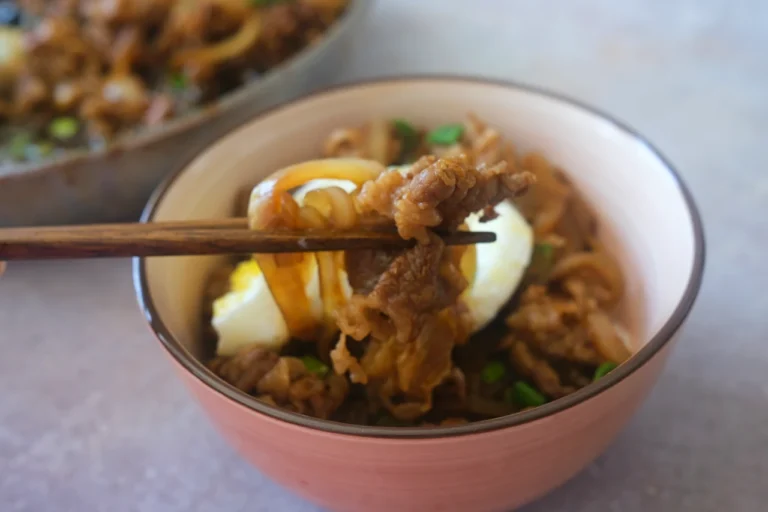
Maybe you’ve heard a Filipino friend talk about it, or maybe you’ve ordered one at a Filipino restaurant. Or maybe “silog” is a word you’re seeing for the very first time. Either way, there’s more to that plate of meat, garlic rice, and fried egg than meets the eye.
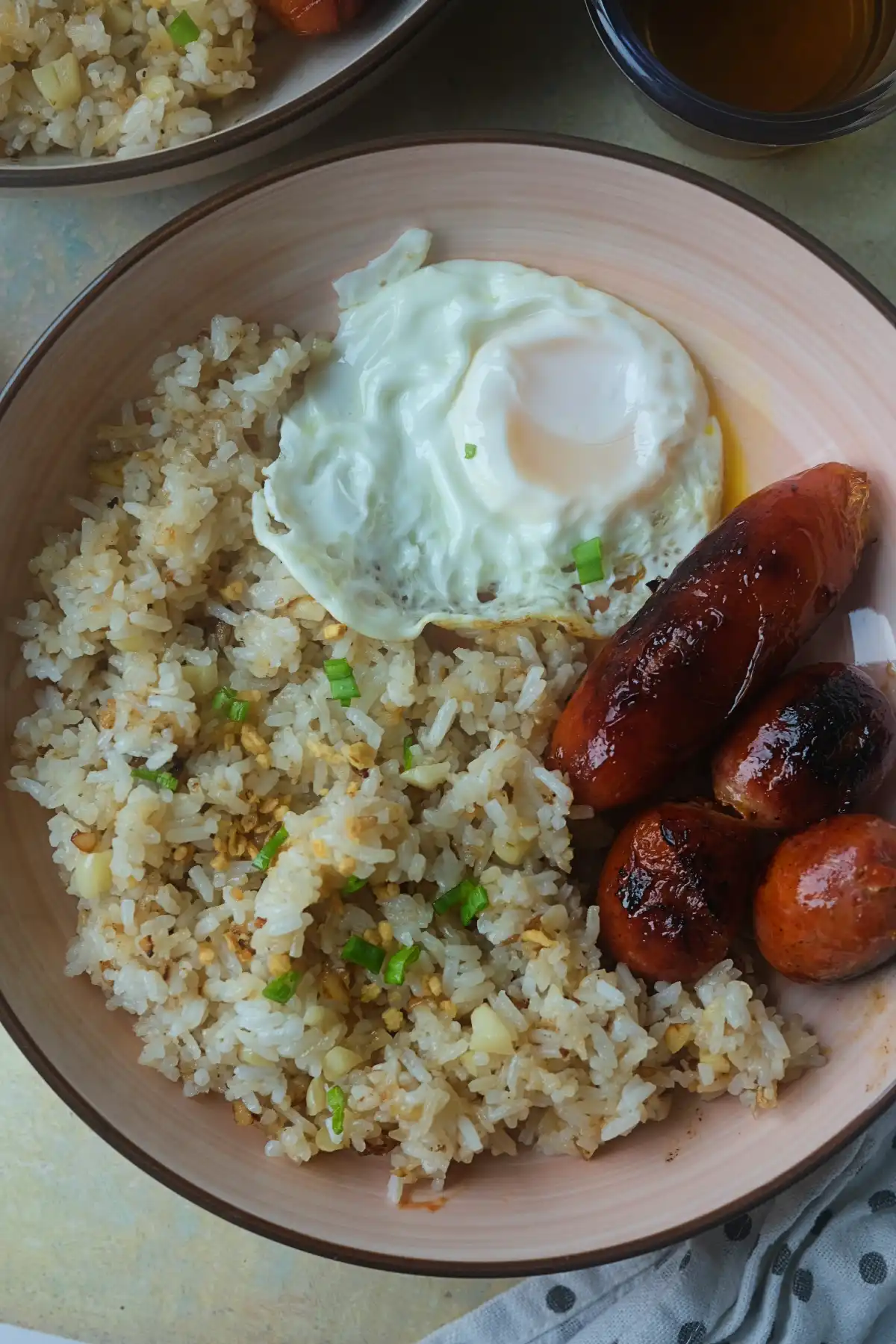
Whether silog is already a favorite or completely new to you, it’s worth getting to know the story behind it. And if you’ve never tried it, I hope by the end of this you’ll be hungry enough to make a plate of your own.
So, what exactly is Silog?
Silog is a Filipino meal of garlic fried rice and fried egg served with a main dish, which could be anything from tapa and longganisa to canned corned beef or last night’s leftovers.
The formula is simple. Every silog starts with sinangag, or garlic fried rice, and itlog, or egg. It’s where the name comes from: the “si” in sinangag and the “log” in itlog.
From there, you add an ulam, or main dish. Its name usually gets combined with “silog” to tell you exactly what’s on the plate.
Tapa with garlic rice and egg is tapsilog. Longganisa makes longsilog, tocino makes tosilog, and bangus makes bangsilog.
So, think of it this way: ulam + garlic fried rice + fried egg = silog. Change the ulam, and you get a different silog.
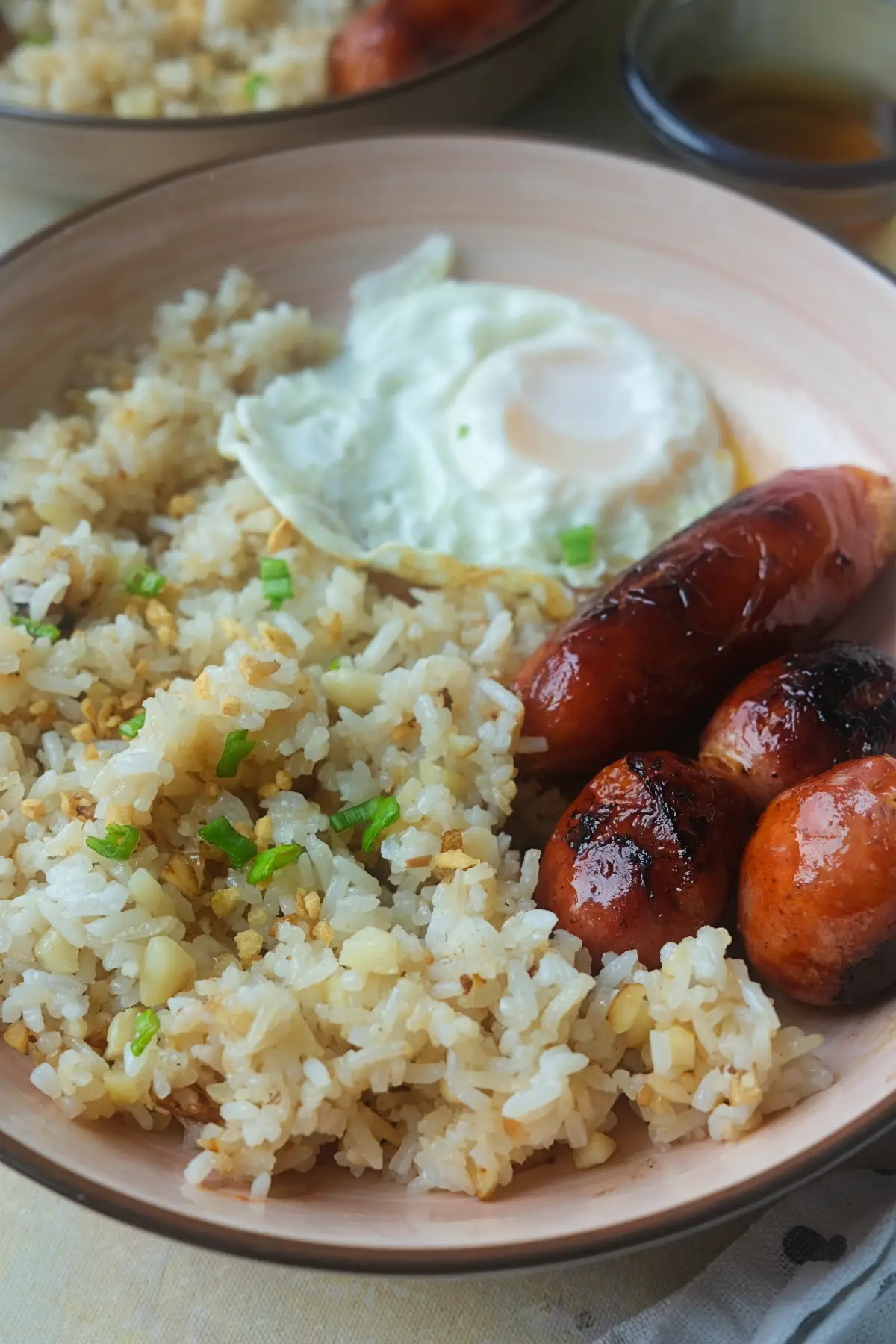
What Makes Silog So Filipino?
To us Pinoys, silog is more than a clever way to put a meal together. Embodying the way we eat, live, and make the most of what we have, it’s a small but meaningful reflection of Filipino culture.
It reflects how central rice is to Filipino meals. For us, rice isn’t simply a side dish. It’s the foundation of the meal. Whatever the ulam may be, rice is always there to complete the plate.
Silog is also resourcefulness on a plate. For us, wasting perfectly good food is not an option. You use what you have, waste as little as possible, and find a way to make leftovers delicious again.
That’s also the beauty of silog: almost anything works. You can turn something as simple as canned corned beef or Spam into a full meal, repurpose last night’s dinner, or bring out the best in Filipino favorites like tapa, tocino, and longganisa.
Even the playful names, tapsilog, longsilog, tosilog, and countless others, show our sense of humor and knack for wordplay. Give us an ulam, and chances are we’ll find a way to add “silog” to its name.
And despite being a breakfast staple, there’s really no wrong time for silog. Have it for breakfast with the family, grab it for lunch at your neighborhood tapsihan, or silog eatery, or order a plate after a long inuman, or drinking session, with friends. Sometimes it’s the first meal of the day. Sometimes it’s the last. And sometimes, it’s both!
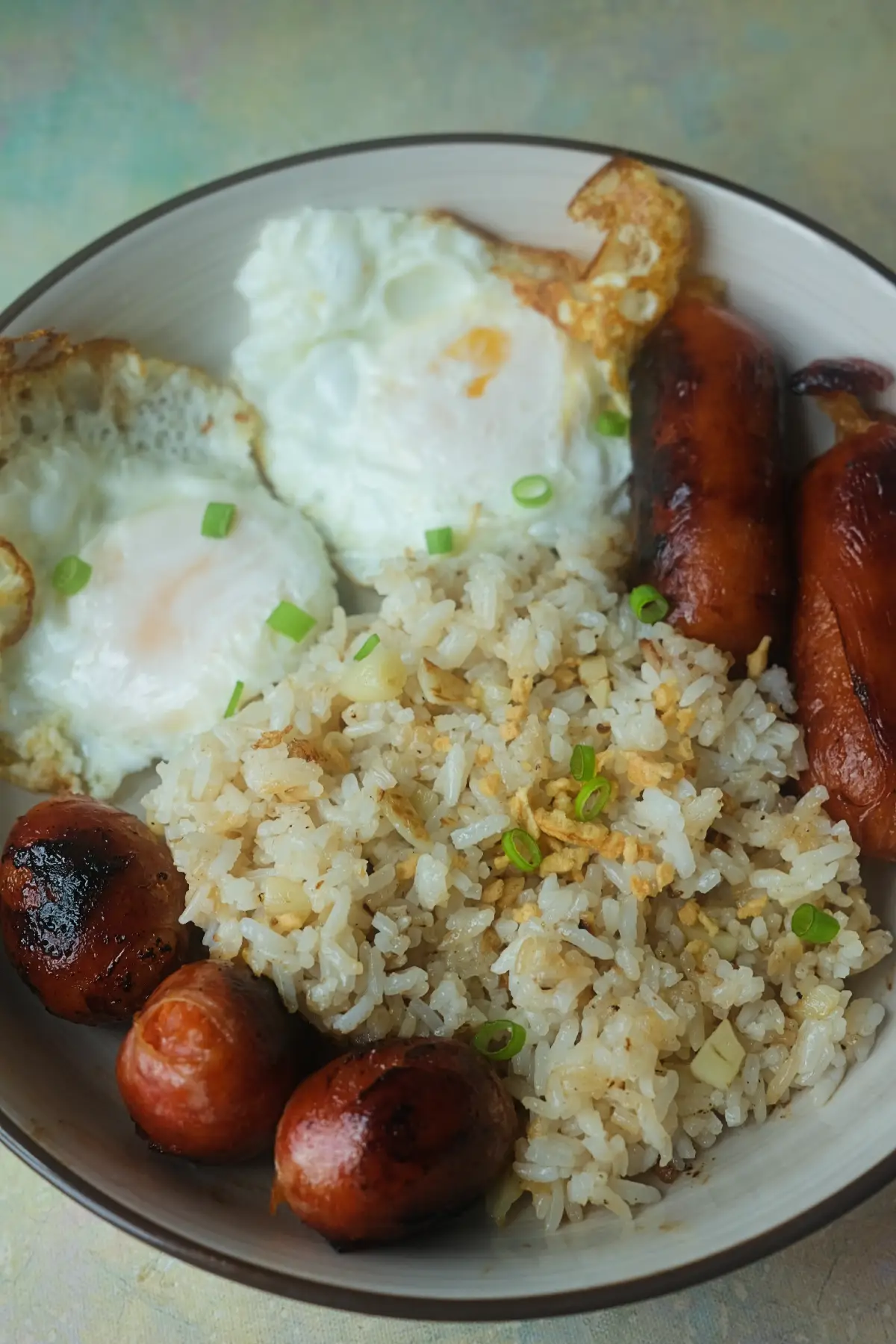
The Many Faces of Silog
Once you understand the basic formula, you’ll realize there’s a silog for just about everything. Some combinations are so established that they have become classics in their own right. Others come straight from the pantry, and some are simply whatever happened to be left in the fridge.
The Classics
These are the silog meals you’ll see again and again at Filipino restaurants and tapsihan.
- Tapsilog combines beef tapa, sinangag, and a fried egg. Tapa is savory, garlicky, and slightly sweet, making it a great match for the rice and rich egg yolk.
- Longsilog swaps the tapa for longganisa, the Filipino answer to sausage. Depending on the variety, longganisa can be sweet, garlicky, savory, or a combination of all three.
- Tosilog features tocino, thin slices of sweet, cured pork that caramelize as they cook. Paired with savory garlic rice and egg, you get that sweet-salty combination Filipinos love.
- Bangsilog is made with bangus, or milkfish, usually marinated and fried until crisp. It’s especially good with tomatoes and spiced vinegar on the side.
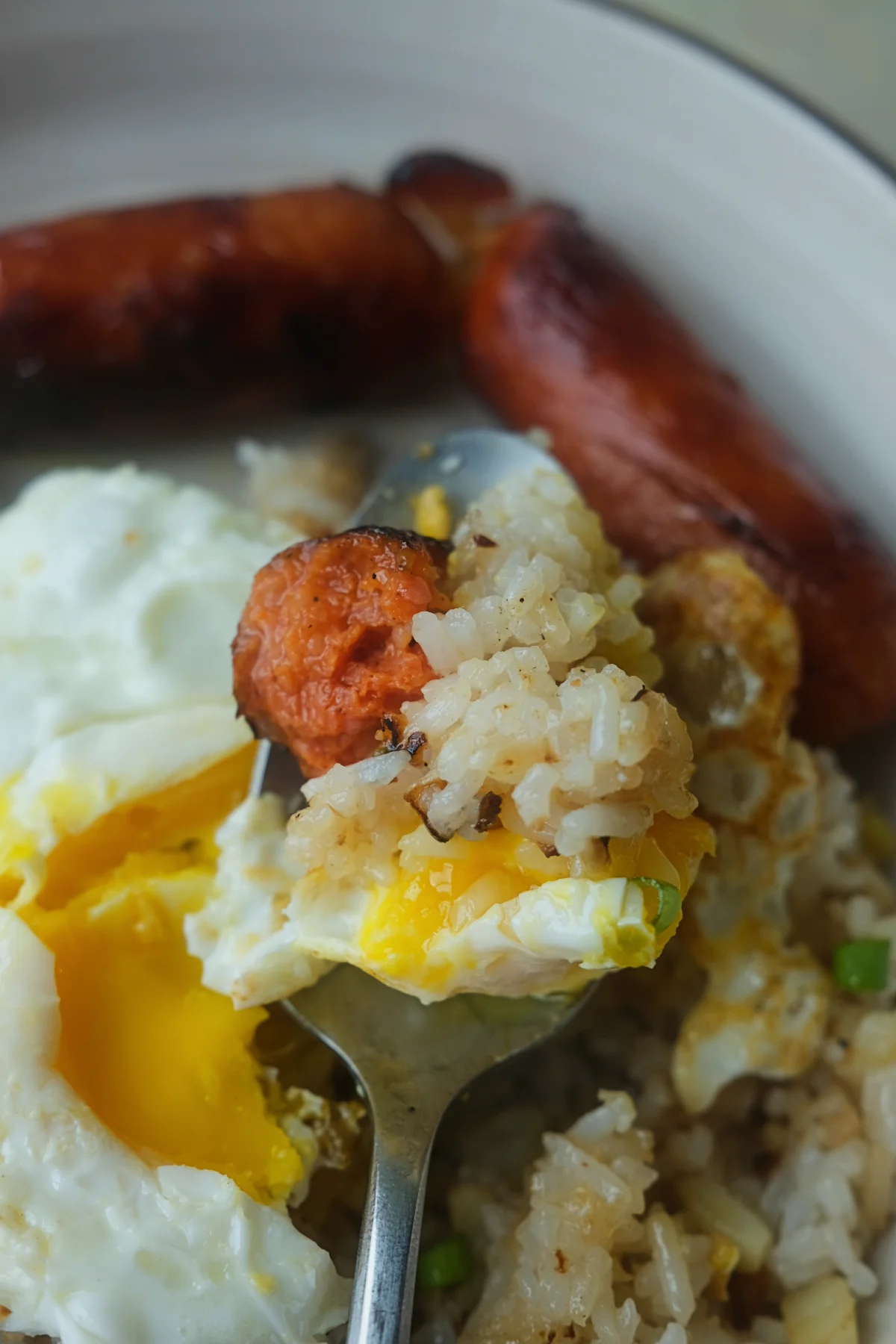
Straight From the Can
Sometimes breakfast starts with opening the pantry.
Canned corned beef becomes cornsilog, while Spam or another luncheon meat makes an easy spamsilog.
Whatever Was for Dinner Last Night
Then there’s perhaps the most practical category of all: leftovers.
Last night’s adobo can become adobosilog. Leftover sisig becomes sisigsilog. Fried chicken, pork chops, bistek, or just about any other ulam sitting in the fridge is fair game.
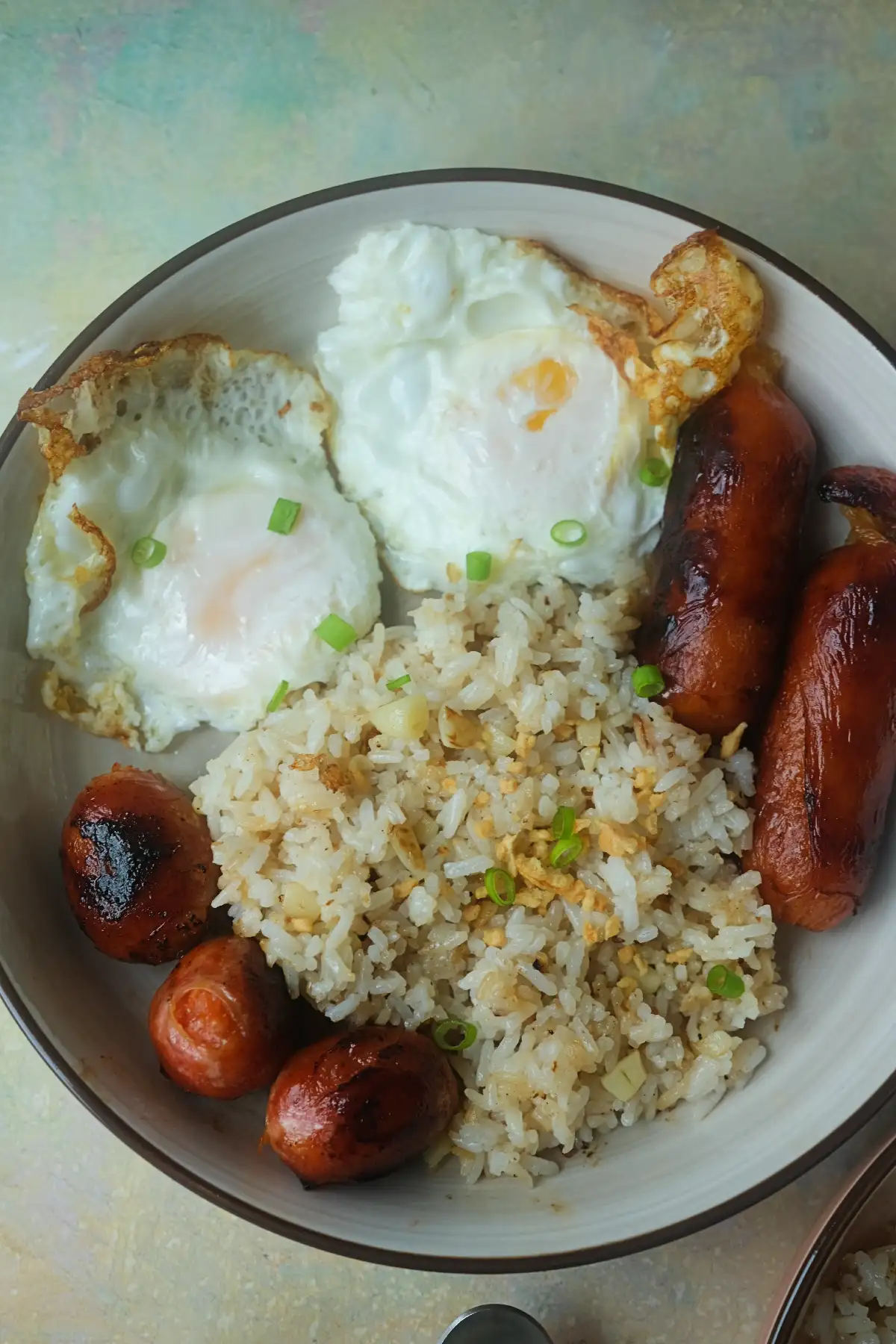
What to Serve with Silog
Silog is already a full, satisfying plate, but add a few Filipino favorites and the breakfast spread gets even better.
- Spiced vinegar. A sharp sawsawan, or dipping sauce, is especially good with tapa, longganisa, fried bangus, and other rich or savory ulam.
- Fresh tomatoes. Juicy tomatoes add a fresh, slightly acidic contrast to the fried rice, egg, and meat.
- Atchara. This pickled green papaya adds sweetness, tang, and crunch to the plate.
- Banana ketchup. A Filipino favorite with tocino, hot dogs, Spam, longganisa, and other silog combinations.
- Salted red eggs. Itlog na maalat, or salted duck eggs, are salty and rich and especially good paired with fresh tomatoes.
- Tuyo. This salty dried fish is a Filipino breakfast staple that pairs especially well with garlic rice, eggs, and fresh tomatoes.
- An extra fried egg. Because one is not always enough. Funny enough, when my husband eats nothing but sinangag and fried eggs, he calls it “itlogsilog.” Technically, that would be egg + garlic rice + egg. The math doesn’t quite work, but I’ll allow it.
- Coffee. A hearty silog breakfast and a steaming cup of coffee belong on the same table.
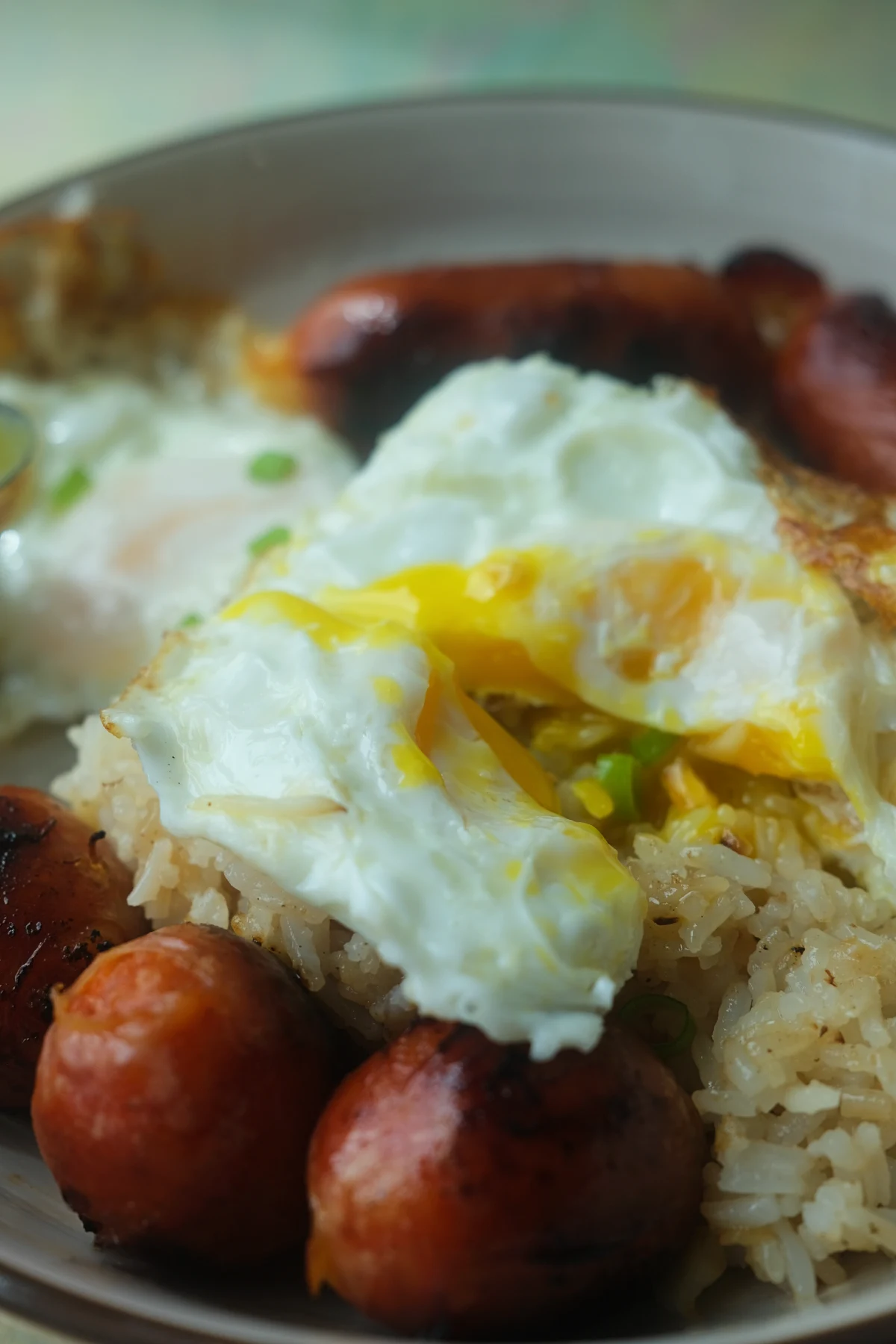
How to Make Your Own Silog
Making your own silog is easy. Choose your ulam, fry a couple of eggs, and finish with sinangag in the same pan so the rice picks up all the flavor left behind.
Fry the Eggs
Heat a little oil in a large skillet and fry the eggs however you like them. I prefer crisp edges with a runny yolk that spills into the rice, but sunny-side up, over easy, or fully cooked all work. Don’t forget to season with salt.
Cook the Ulam
Use whatever sounds good or whatever you already have. Go classic with tapa, longganisa, tocino, or bangus. Open a can of corned beef or Spam, or heat up last night’s adobo, fried chicken, or other leftovers.
Using the same skillet, cook or reheat your chosen ulam. Once it’s ready, transfer it to the plate with the eggs, but don’t clean the pan. Leave those drippings and browned bits right where they are.
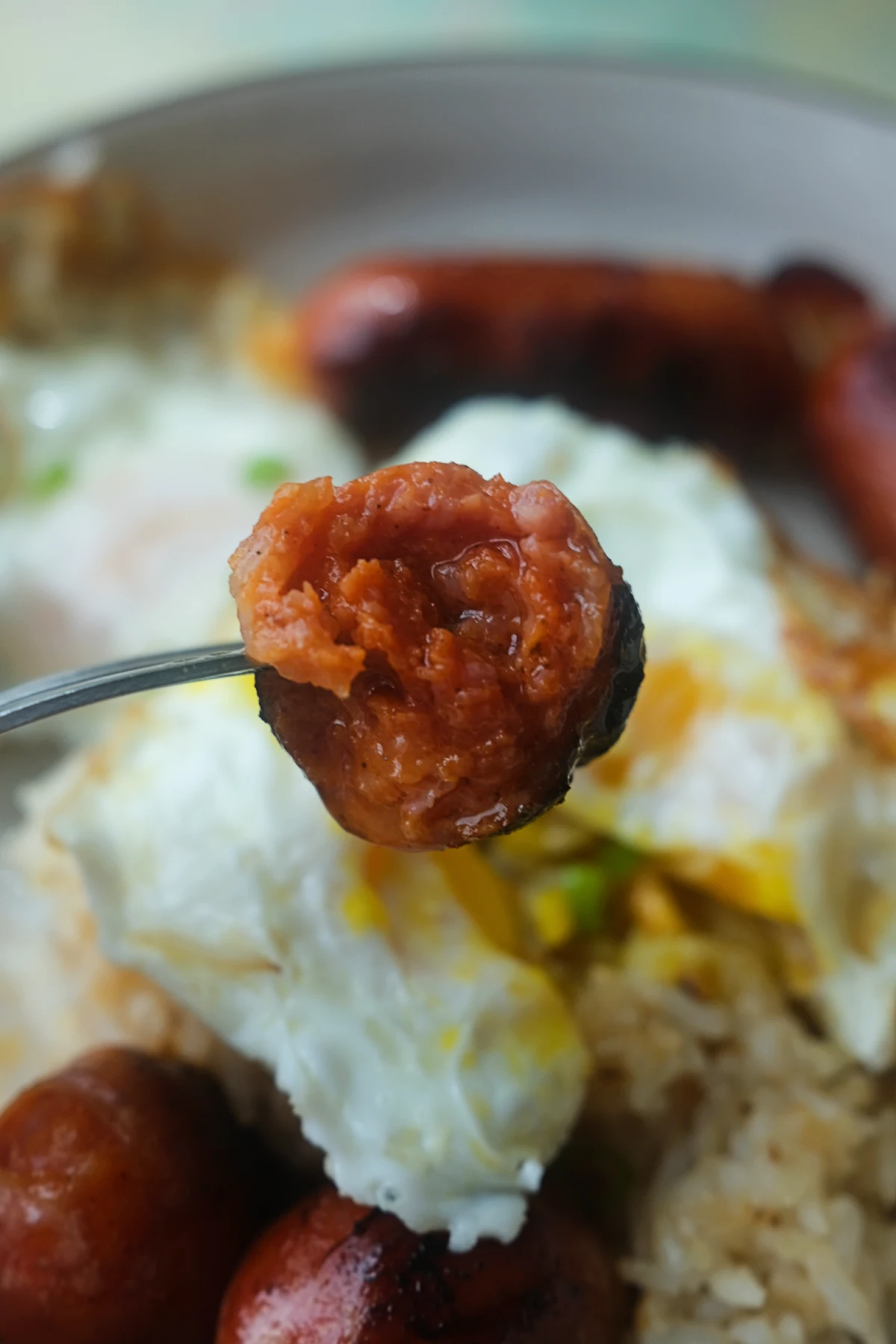
Make the Sinangag
Saute minced garlic to the same skillet. Add cold, day-old rice. Break up any clumps and season with fish sauce to taste.
Stir-fry until everything is hot and well combined, making sure to scrape up all those flavorful bits left behind by the ulam. That’s why the rice comes last.
Pile the sinangag onto your plate with the ulam and fried egg, add your favorite sawsawan or sides, and your silog is ready.
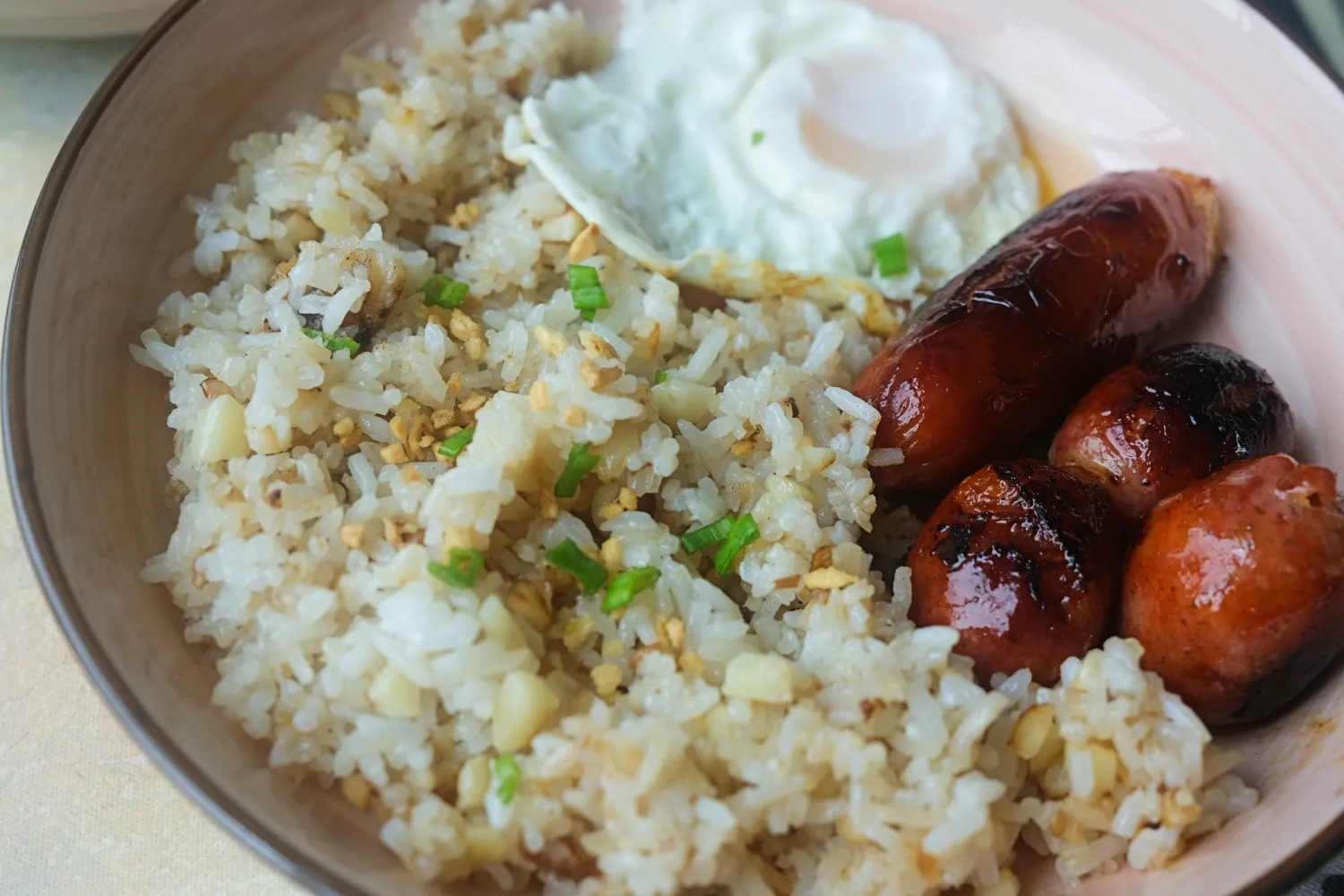
Filipino Silog: More Than Just Your Average Breakfast
Ingredients
- 2 cups cold cooked white rice
- 5 cloves garlic minced
- 1 to 2 teaspoons fish sauce or to taste
- 2 large eggs
- Salt to taste
- 2 servings tapa longganisa, tocino, bangus, Spam, corned beef, or other ulam of choice
- Neutral oil as needed
- For Serving Optional
- Spiced vinegar
- Sliced tomatoes
- Atchara
- Banana ketchup
Instructions
- Heat oil in a large skillet over medium heat. Fry the eggs to your preferred doneness and season with salt. Transfer them to a plate and set aside.
- In the same skillet, cook your choice of tapa, longganisa, tocino, bangus, Spam, corned beef, or other ulam. Transfer it to a plate, leaving the oil and any browned bits in the pan.
- Add the garlic directly to the same skillet, adding a little more oil only if needed. Cook until lightly golden and fragrant. Add the cold rice and break up any clumps. Season with fish sauce and stir-fry for 3 to 5 minutes, scraping up the flavorful bits from the bottom of the pan as you go.
- Divide the sinangag between two plates and serve with the fried eggs and your chosen ulam. Add spiced vinegar, tomatoes, atchara, banana ketchup, or your favorite sawsawan on the side.